

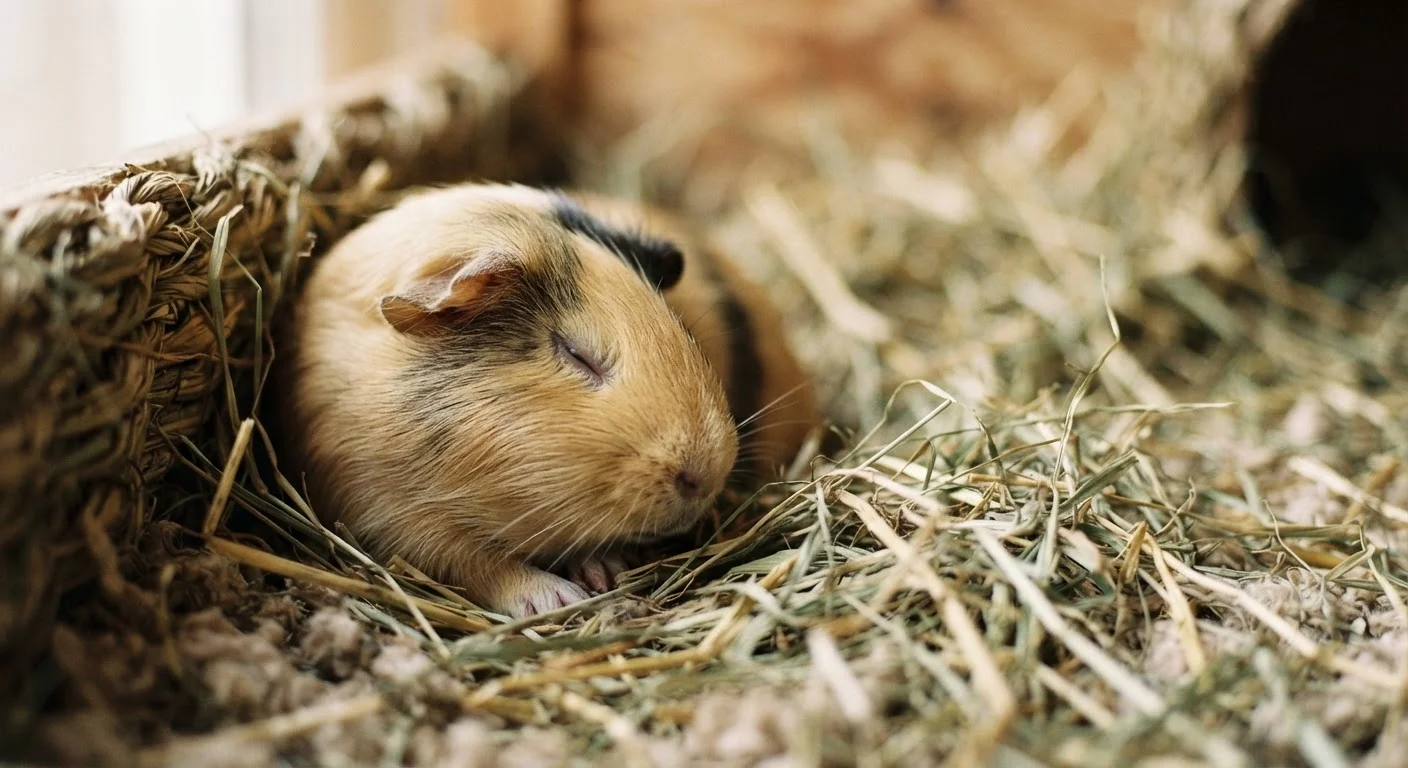
Why Small Pets Are Hard to Read
Rabbits, hamsters, guinea pigs, and gerbils share an evolutionary trait with most prey animals: they instinctively conceal signs of weakness. In the wild, appearing ill attracts predators. In your home, this survival instinct means an animal can be seriously unwell before showing obvious symptoms - and by the time something is visibly wrong, the condition may have already progressed.
This is a very different challenge from caring for a dog or cat. If you've read about how dogs mask discomfort, small pets take concealment even further. For owners of rabbits, guinea pigs, hamsters, and similar animals, knowing the baseline - what your individual pet looks, moves, and sounds like when healthy - is the single most useful diagnostic tool you have.
| Species covered | Rabbits, guinea pigs, hamsters, gerbils |
| Vet type needed | Exotic animal or small mammal veterinarian |
| Key challenge | Prey animals instinctively conceal illness |
| Most time-sensitive sign | Not eating for 12-24 hours; wet tail in hamsters |
| Best monitoring tool | Weekly weigh-ins on a small kitchen scale |
| When to call immediately | Breathing difficulty, blood, seizures, loss of balance |
Behavioral and Physical Warning Signs by Species
While some warning signs are universal, others are species-specific. Use the following as a starting reference, not a diagnostic checklist. When in doubt, contact a veterinarian who specializes in exotic or small animals.
Rabbits
- GI stasis: Rabbits that stop eating, produce no fecal pellets, or have a hunched, uncomfortable posture may be experiencing gastrointestinal stasis - a potentially life-threatening slowdown of gut movement. This warrants same-day veterinary contact.
- Head tilt: A sudden tilt of the head can signal an inner ear infection or neurological issue and should be evaluated promptly.
- Teeth grinding (bruxism): Soft tooth grinding can indicate contentment, but loud, persistent grinding is associated with pain.
Guinea Pigs
- Reduced or absent vocalizations: Guinea pigs are naturally vocal. A sudden quieting is a meaningful behavioral shift.
- Weight loss: Even modest, consistent weight loss - easily tracked with a small kitchen scale - can signal dental disease, infection, or other illness. Guinea pig ownership comes with the responsibility of regular monitoring.
- Crusty eyes or nasal discharge: Often a sign of upper respiratory infection, which can escalate rapidly in guinea pigs.
Hamsters
- Unusual activity during daylight hours: Hamsters are crepuscular (most active at dawn and dusk). A hamster that seems disoriented or lethargic during its active period may be unwell.
- Wet tail: Diarrhea and a moist, soiled rear end in hamsters - often called wet tail - is a veterinary emergency requiring immediate attention.
Gerbils
- Seizures or twitching: Gerbils are prone to epileptiform seizures, which are typically mild and brief, but new or prolonged episodes should be assessed. See our complete gerbil care guide for more on their unique health needs.
- Nasal redness or scabbing: Porphyrin staining (a reddish discharge) around the nose and eyes can indicate stress or infection.
GI stasis
A dangerous slowdown or cessation of normal gut movement in rabbits and other small herbivores. It can become life-threatening within hours and requires prompt veterinary care.
Exotic animal veterinarian
A veterinarian with specialized training or experience treating non-traditional companion animals such as rabbits, guinea pigs, reptiles, and birds. Not all general-practice vets have this training.
Porphyrin staining
A reddish-brown pigmented discharge produced by glands around the eyes and nose in rodents. While sometimes normal in small amounts, heavy staining can indicate stress or illness.
Bruxism
The grinding or gnashing of teeth. In rabbits and guinea pigs, soft tooth-clicking often signals contentment, while loud or forceful grinding may indicate pain.
Crepuscular
Most active during the twilight hours of dawn and dusk. Hamsters are crepuscular animals, so activity during daytime can sometimes indicate a health concern.
Wet tail
A colloquial term for proliferative ileitis in hamsters, characterized by severe diarrhea and a wet, soiled hindquarter. It is a veterinary emergency requiring immediate treatment.
Universal Signs That Warrant a Vet Call
Regardless of species, the following signs should prompt you to contact an exotic animal veterinarian - ideally one experienced with the specific type of animal you have. General practice vets may have limited training in small mammal or exotic care.
Finding an Exotic Animal Vet Before You Need One
Don't wait until a health emergency to locate a qualified small animal or exotic vet. Many areas have limited availability of these specialists, and same-day appointments can be hard to secure. Identify a vet experienced with your species before bringing your pet home. Ask your regular vet for a referral if needed, or contact a local rabbit rescue, guinea pig rescue, or small animal organization - they often maintain lists of trusted exotic practitioners.
- Not eating or drinking for 12-24 hours (shorter window for very small animals like hamsters)
- Labored, noisy, or open-mouth breathing
- Loss of balance, circling, or sudden inability to move normally
- Visible wounds, swelling, or lumps
- Blood in urine, stool, or from any body opening
- Drastic change in stool consistency or complete absence of droppings
- Sudden, unexplained weight loss
- Prolonged teeth chattering or grinding paired with hunched posture
If you're unsure whether your pet's care routine meets its needs - or whether what you're seeing reflects a common misconception about small pet health - it's always appropriate to call a vet's office and describe what you're observing. Most clinics can help you triage over the phone.
For guidance on finding a qualified exotic animal vet in your area, see why small pets benefit from veterinary care and what routine visits look like for these animals.
This article provides general educational information about small pet health and is not a substitute for professional veterinary advice, diagnosis, or treatment. Always consult a licensed veterinarian for concerns about your pet's specific health or wellbeing.
The content provided on our blog site traverses numerous categories, offering readers valuable and practical information. Readers can use the editorial team’s research and data to gain more insights into their topics of interest. However, they are requested not to treat the articles as conclusive. The website team cannot be held responsible for differences in data or inaccuracies found across other platforms. Please also note that the site might also miss out on various schemes and offers available that the readers may find more beneficial than the ones we cover.