

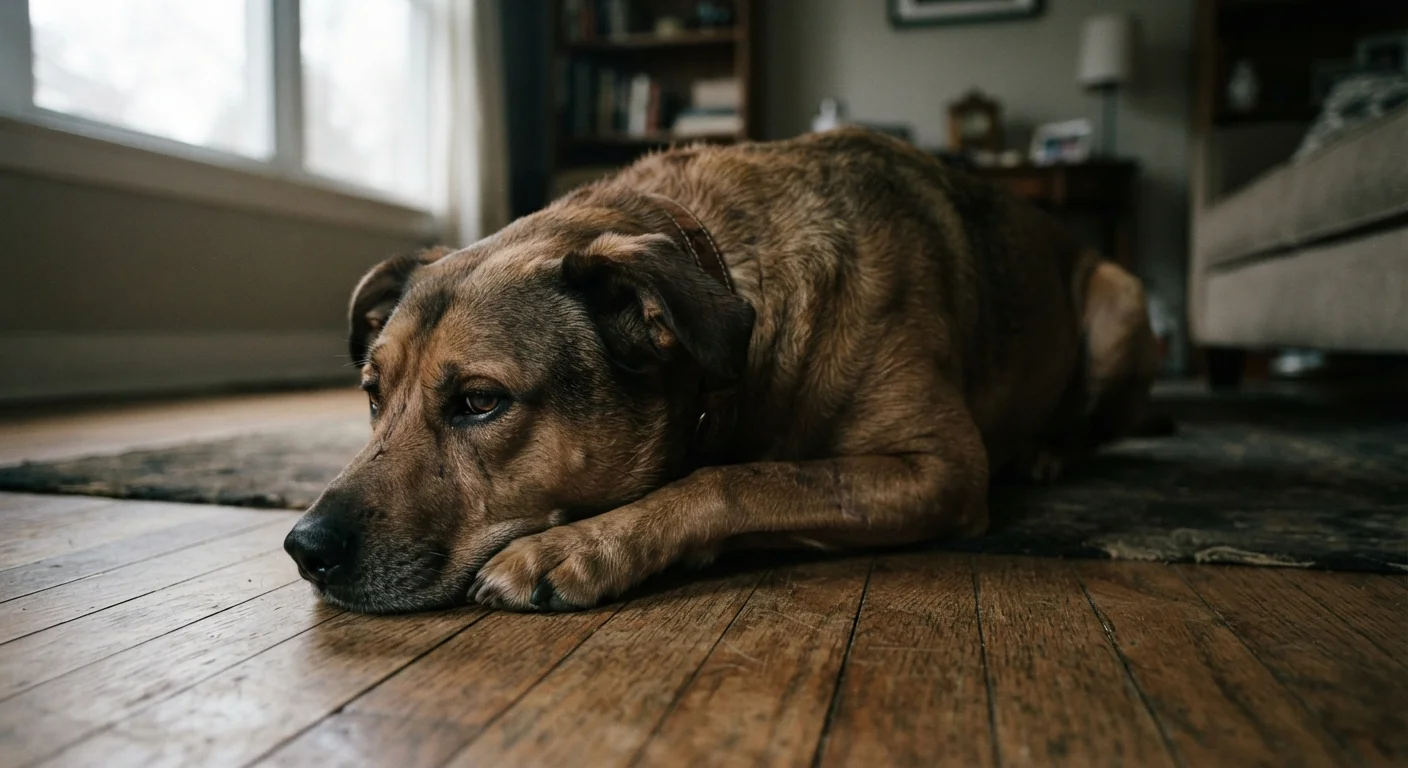
Why Dogs Are Wired to Hide Pain
Dogs descended from animals in which showing weakness could mean vulnerability to predators or challenges within a pack. That instinct hasn't disappeared. Many dogs - especially stoic breeds like Labrador Retrievers, Siberian Huskies, and working dogs - are capable of masking significant discomfort while appearing largely normal to even attentive owners.
This isn't stubbornness or an inability to communicate. It's biology. And it's why recognizing pain in dogs requires looking beyond obvious cues like limping or crying out. The signs are often subtle, behavioral, and easy to attribute to something else entirely - aging, boredom, or a bad day. Understanding what to watch for is one of the most practical things you can do as a dog owner. Reading your dog's body language more broadly can also help you build the observational habits that make these signals easier to catch.
Never Use Human Pain Medications
Many over-the-counter pain relievers - including ibuprofen, acetaminophen, and naproxen - are toxic to dogs and can cause serious organ damage or death, even in small doses. Do not administer any human medication to your dog without explicit direction from a licensed veterinarian. There are safe, veterinary-approved pain management options available, and your vet is the right person to guide that decision.
Seven Signs That Something May Be Wrong
Changes in activity level or willingness to move
One of the most telling signs of pain is a dog that suddenly becomes reluctant to do things they normally enjoy - jumping onto the couch, climbing stairs, or going for walks. This is especially common with joint pain, spinal issues, or sore paws. Some dogs won't refuse outright; they'll simply slow down, lag behind on walks, or hesitate before lying down.
It's easy to chalk this up to aging or tiredness, but a persistent change in movement warrants a closer look. Dogs with musculoskeletal pain may also shift their weight, favor one leg, or rise stiffly after resting.
Reluctance to jump or climb stairs is often one of the first signs of joint pain.
Altered facial expressions and eye appearance
Research into animal pain assessment - including work that contributed to tools like the Canine Grimace Scale - shows that dogs in pain often display subtle facial changes: squinted or partially closed eyes, tense brow muscles, flattened ears, and a tight or drawn muzzle. These are easy to miss unless you know what you're looking for.
Eyes can also signal localized pain. Redness, excessive tearing, or one eye held partially shut may point to an eye injury or infection rather than generalized discomfort. Reading your dog's body language more broadly can help you connect these facial cues to a fuller picture.
A tense brow and squinted eyes are recognized indicators of pain in dogs.
Unusual vocalizations - or unusual silence
Whimpering, whining, growling when touched, or yelping unexpectedly can all signal pain - particularly if the vocalization is tied to a specific movement or area of the body. But the opposite can also be true: some dogs become unusually quiet and withdrawn when hurting. A dog that stops greeting you at the door or seems uninterested in social interaction may be conserving energy because something hurts.
Context matters here. A single yelp during play is different from repeated vocalizations at rest or when performing a normal activity.
Unusual silence and withdrawal can signal pain just as clearly as whimpering.
Changes in eating, drinking, or grooming habits
Pain - especially in the mouth, abdomen, or neck - can make eating and drinking uncomfortable or impossible. A dog that drops food, chews only on one side, or suddenly loses interest in meals may be dealing with dental disease, nausea, or internal discomfort. Dental disease in dogs is far more common than most owners realize and is a frequent, often overlooked source of chronic pain.
Changes in grooming are also telling. Over-licking or chewing a specific body part often indicates localized pain or irritation. Conversely, a dog that stops self-grooming may simply not feel well enough to bother.
Dropping food or chewing only on one side often points to mouth or dental pain.
Postural changes and protective body positioning
A dog in pain will often adjust its posture to guard the area that hurts. This might look like a hunched back, a tucked abdomen, a head held low, or a reluctance to lie on one side. Some dogs adopt a characteristic "prayer position" - front legs extended, rear end elevated - which can indicate abdominal pain.
Watch for tension in the body overall: a dog that remains stiff and still rather than relaxed in its normal resting positions may be bracing against discomfort. These postural cues are often more reliable than behavioral ones because dogs are less able to consciously suppress them.
A hunched back or tucked abdomen suggests the dog is actively guarding a painful area.
Aggression or flinching when touched
A normally gentle dog that snaps, growls, or flinches when you touch a particular area is communicating clearly - even if it seems out of character. Pain-induced aggression is one of the most commonly misunderstood behaviors in dogs. It is not a personality problem; it's a protective response.
If your dog reacts negatively to being touched in a specific spot - the back, belly, legs, or ears - that location deserves veterinary attention. Don't punish the behavior; instead, note it and report it to your vet with as much detail as you can.
Pain-induced aggression is a protective response, not a personality flaw.
Restlessness or difficulty settling
A dog that can't seem to get comfortable - repeatedly changing positions, circling, getting up and lying back down - may be trying to find relief from pain. This is sometimes mistaken for anxiety or restlessness, but when it occurs alongside other signs on this list, it's worth treating as a physical symptom first.
Restlessness at night is particularly worth noting. Dogs that wake frequently, pace, or vocalize after midnight are harder for owners to observe consistently, so pattern changes here can go unnoticed for longer than daytime symptoms.
Repeatedly changing positions and inability to settle are common signs of physical discomfort.
Keep a Simple Symptom Log
If you notice something that seems off, jot it down: when it happened, what the dog was doing, and how long it lasted. A brief written log - even just notes in your phone - gives your vet much more to work with than memory alone and can help pinpoint patterns that point to a cause.
When to Contact Your Veterinarian
Any single sign on this list, in isolation, might have a benign explanation. But if you're noticing two or more of these signals - or if one symptom is persistent or worsening - it's time to call your vet. You don't need a definitive answer before making that call; a description of what you've observed is exactly the kind of information a veterinary team needs to help you decide next steps.
Changes in appetite sometimes accompany pain, and behavioral changes like grass-eating can also signal digestive discomfort worth discussing. The threshold for concern should be lower in puppies, senior dogs, and dogs with known health conditions. When in doubt, a phone call to your veterinary clinic costs nothing and could catch something early that's much easier to treat before it progresses.
This article is for general informational purposes only and does not constitute veterinary or medical advice. If you believe your dog is in pain or unwell, please consult a licensed veterinarian promptly.
The content provided on our blog site traverses numerous categories, offering readers valuable and practical information. Readers can use the editorial team’s research and data to gain more insights into their topics of interest. However, they are requested not to treat the articles as conclusive. The website team cannot be held responsible for differences in data or inaccuracies found across other platforms. Please also note that the site might also miss out on various schemes and offers available that the readers may find more beneficial than the ones we cover.