

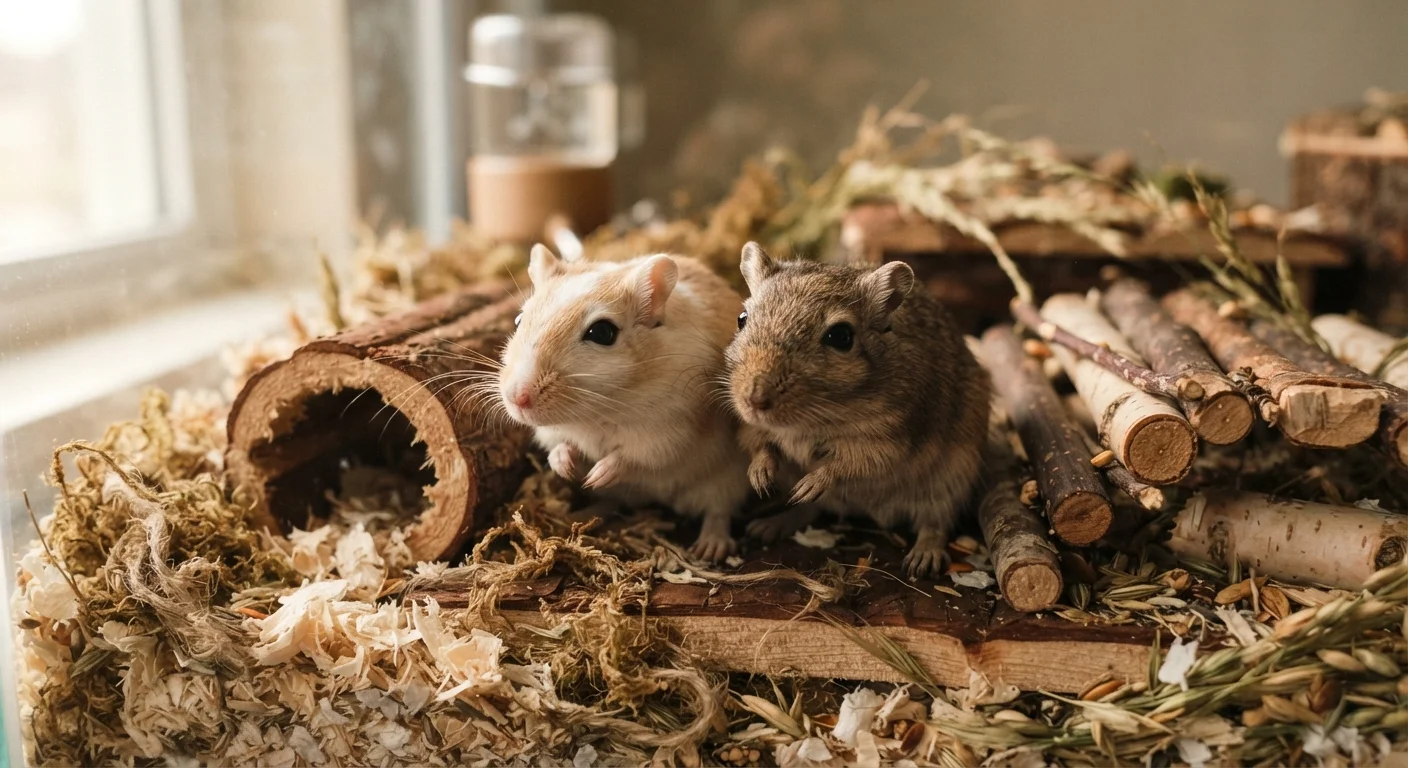
Are Gerbils the Right Pet for You?
Gerbils are lively, inquisitive rodents that originate from the semi-arid steppes of Mongolia. They tend to be curious, relatively easy to observe, and more active during daylight hours than hamsters - making them genuinely engaging pets for families and adults alike. But they are not low-maintenance animals, and some common myths about small pets lead owners to underestimate what gerbils actually need.
Before committing, consider these realities:
- They need companionship. Solitary gerbils are often stressed and bored. Most welfare organizations recommend keeping at least two of the same sex together.
- They move fast. Gerbils are quick and agile, which can make handling tricky for young children.
- They dig - a lot. Deep bedding that allows burrowing is not optional; it's a core behavioral need.
- They have a moderate lifespan. Expect 3-5 years with good care, which is a real emotional commitment.
If you are comparing small pets, reviewing the small pet preparation checklist can help you assess whether your home and schedule are genuinely ready.
Housing: Space, Setup, and Bedding
A 10-gallon glass tank is widely cited as a minimum for two gerbils, but a 20-gallon long tank is meaningfully better and allows deeper bedding layers. Wire-topped tanks work well because they provide ventilation while containing the bedding. Wire cages alone are generally poor choices - gerbils kick substrate through the bars and cannot burrow effectively.
Deep Bedding Is Non-Negotiable
Gerbils are instinctive burrowers and will show clear signs of frustration - repetitive digging at enclosure corners - when bedding is too shallow. Filling the lower two-thirds of a tank with substrate allows natural tunneling behavior and reduces stereotypic movements linked to stress. Rearranging enrichment items weekly also keeps the environment mentally stimulating.
Bedding depth matters more than floor space alone. Aim for at least 6 inches of substrate so your gerbils can construct stable tunnels. Paper-based or aspen bedding works well; avoid cedar or pine shavings, which contain aromatic oils linked to respiratory irritation in small mammals.
Enrichment items should include:
- A solid-surface exercise wheel (no rungs or mesh that can catch legs)
- Wooden chew toys to support dental health
- Cardboard tubes and hides for exploration
- A shallow sand bath for coat maintenance - play sand or chinchilla sand is appropriate
Clean the enclosure fully every 2-3 weeks, and spot-clean soiled areas weekly. Unlike some rodents, gerbils produce relatively little urine, which limits odor considerably.
Diet and Nutrition
Seed mixes are widely sold as gerbil food, but they pose a real problem: most gerbils selectively eat their favorite seeds - typically high-fat sunflower seeds - and leave the rest. This leads to nutritional imbalances over time. A quality pelleted or block-style food designed for gerbils provides a more consistent nutrient profile and is the foundation most exotic-animal vets recommend.
Introduce a pellet-only diet from day one rather than transitioning away from a seed mix - gerbils adapt more readily before food preferences are firmly established.
Selective feeding of high-fat seeds is one of the most common nutritional mistakes with gerbils, and breaking an established preference is harder than building a good one from the start.
When introducing two new gerbils, use the split-cage method - divide the enclosure with mesh for several days so they can smell and interact safely before sharing full space.
Gerbils that are introduced without a gradual scent-familiarization period are at greater risk of fighting, which can cause serious injuries.
Fresh vegetables can be offered in small amounts several times a week. Safe options include:
- Broccoli florets
- Carrot pieces
- Leafy greens such as romaine lettuce
- Small pieces of cucumber or zucchini
Avoid citrus, onion, garlic, grapes, raisins, and any sugary or processed human food. Fresh water should be available at all times, ideally through a sipper bottle that stays clean longer than an open dish.
Treats - including millet sprays and small pieces of dry whole-grain cereal - can support taming but should remain a small fraction of the overall diet.
Handling and Socialization
New gerbils should have a settling-in period of 3-5 days before handling begins. During this time, speak softly near the enclosure so they associate your voice with safety. Once they are moving around confidently and eating normally, you can begin offering your hand inside the tank - let them investigate you before attempting to pick them up.
When you do lift a gerbil, scoop from below rather than grabbing from above, which mimics the approach of a predator and triggers a fear response. Never pick up a gerbil by the tail: the skin can detach, causing a serious injury called degloving.
Children can handle gerbils with close adult supervision, but gerbils are better suited to older children who can follow handling instructions calmly. Sessions over a carpeted surface or close to the floor reduce the risk of injury from a fall.
Health, Lifespan, and Vet Care
Gerbils typically live 3-5 years. Their most common health concerns include:
- Seizures: Mild seizures are seen in some gerbils, particularly in younger animals, and are often triggered by stress or sudden changes in environment. They usually self-resolve, but a vet should evaluate any gerbil that seizes frequently or for prolonged periods.
- Dental overgrowth: Providing adequate chew material helps keep incisors worn down naturally.
- Tyzzer's disease: A bacterial infection causing lethargy, rough coat, and watery diarrhea; it can spread rapidly between animals and requires prompt veterinary attention.
- Tumors: Older gerbils are prone to abdominal tumors and skin masses; early detection improves outcomes.
Because gerbils are considered exotic animals, not all veterinarians see them. Identify a small-mammal or exotic-animal vet in your area before you bring your gerbils home, not after a health crisis develops. Our guide to signs your small pet may be unwell covers the behavioral and physical signals that should prompt a veterinary call.
Find a Vet Before You Need One
Gerbils are exotic animals, and many general-practice veterinarians do not treat them. Locate a qualified small-mammal or exotic-animal vet in your area before you bring your gerbils home. In a health emergency, scrambling to find a vet for the first time costs precious time. Ask a local exotic-pet store or online small-mammal communities for recommendations in your region.
This article is for general informational purposes only and is not veterinary medical advice. Always consult a qualified exotic-animal veterinarian for guidance about your gerbils' specific health needs.
What Daily Life with Gerbils Actually Looks Like
Gerbils are diurnal and crepuscular - most active in the morning, late afternoon, and early evening. This schedule makes them genuinely compatible with owners who are around during the day, unlike nocturnal pets such as hamsters. (If you are weighing gerbils against hamsters, see what hamsters actually need to thrive for a useful comparison.)
On a typical day, plan to:
- Check and refill the water bottle
- Provide fresh food alongside the base pelleted diet
- Spot-check bedding for wet patches or soiling
- Spend 5-10 minutes observing and, once tamed, interacting with your gerbils
The weekly commitment includes a deeper bedding assessment, toy rotation to prevent boredom, and a full enclosure clean every 2-3 weeks. Gerbils are not passive pets - their energy and curiosity reward owners who engage with them consistently. Pairs that are bonded will groom each other, wrestle playfully, and sleep piled together, which is genuinely rewarding to observe.
If you are also considering other social small pets, the honest pros and cons of owning a guinea pig offers a parallel look at another popular companion animal with its own distinct needs.
3-5 years
Average gerbil lifespan with good care
Veterinary small-mammal references consistently cite this range, with some individuals reaching 6 years under optimal conditions.
6+ inches
Recommended minimum bedding depth
Animal welfare organizations focused on rodent enrichment recommend this depth to allow functional burrowing behavior.
20 gallons
Recommended tank size for a pair of gerbils
While 10-gallon tanks are sold as starter options, exotic-animal vets and welfare groups generally recommend at least a 20-gallon long for adequate burrowing space.
The content provided on our blog site traverses numerous categories, offering readers valuable and practical information. Readers can use the editorial team’s research and data to gain more insights into their topics of interest. However, they are requested not to treat the articles as conclusive. The website team cannot be held responsible for differences in data or inaccuracies found across other platforms. Please also note that the site might also miss out on various schemes and offers available that the readers may find more beneficial than the ones we cover.