

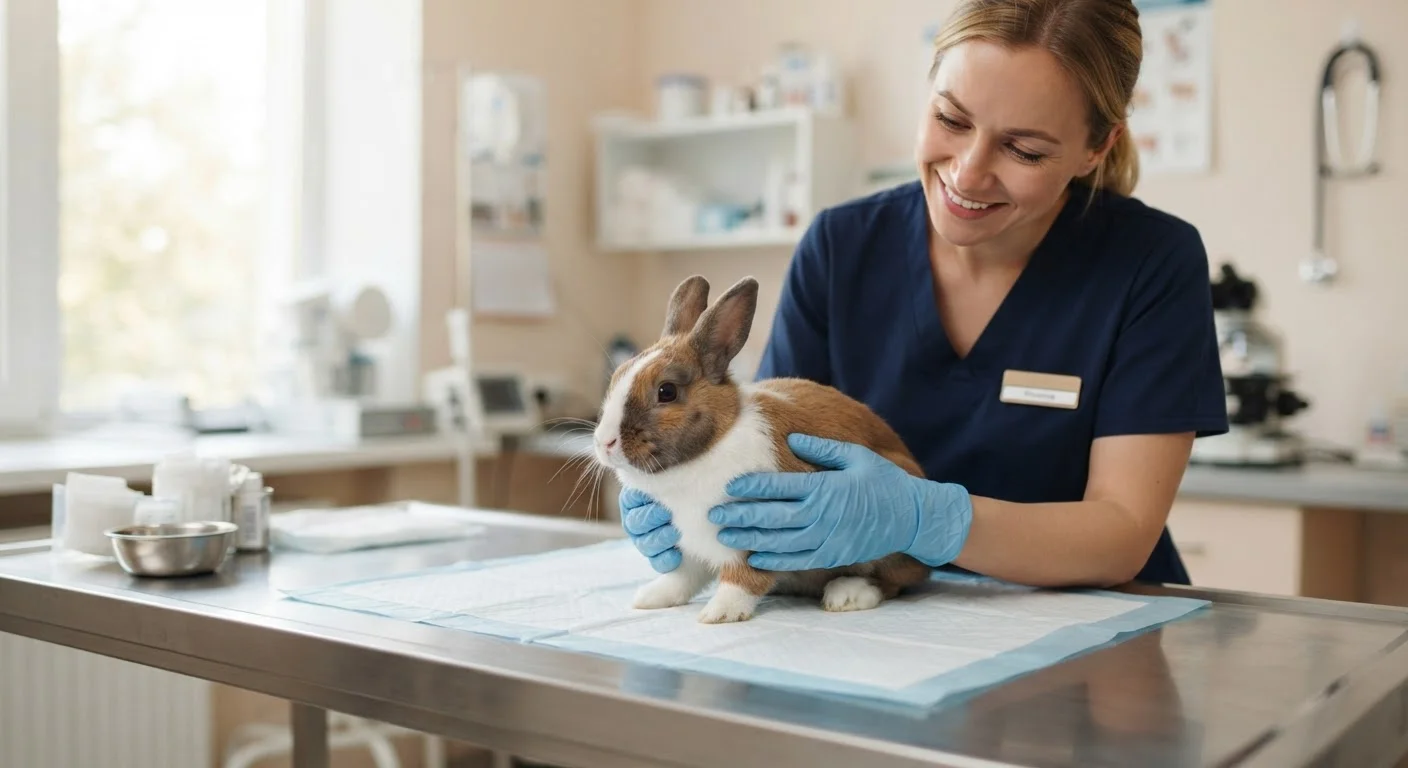
The Myth That Small Pets Don't Need Vets
A common assumption among small pet owners is that animals like hamsters, guinea pigs, rabbits, and birds are low-maintenance creatures that rarely - if ever - need to see a veterinarian. This belief is understandable: these pets are often marketed as "starter" animals, and their care needs can seem minimal compared to dogs or cats. But this perception leads to a significant gap in care that can cost pets their health - and owners, significantly more money when problems finally surface.
The reality is that small animals are often more vulnerable than their size suggests. Many are prey species that have evolved to conceal signs of illness as a survival mechanism. By the time an owner notices something is wrong, a condition may already be advanced. This is exactly why proactive veterinary care matters so much for these animals. For a broader look at how misconceptions shape small pet care, see common myths about small pets that affect how people care for them.
~60%
Small pet owners who skip annual vet visits
Industry surveys from exotic veterinary organizations have consistently noted that the majority of small mammal and bird owners do not schedule annual wellness exams, compared to dog and cat owners.
3-5x
Cost difference: emergency vs. preventive care
Veterinary practices and animal welfare groups broadly note that treating advanced disease in small animals typically costs several times more than routine preventive care - though exact figures vary by species and region.
What Routine Veterinary Care Looks Like for Small Pets
Routine care for small pets isn't dramatically different in structure from what dogs and cats receive - but the details are species-specific, and that specificity matters. A wellness exam for a rabbit will focus on dental occlusion (rabbits' teeth grow continuously and can cause serious problems if misaligned), gut motility, and weight. A guinea pig exam will include checking for scurvy-related issues since guinea pigs, like humans, cannot synthesize vitamin C. A bird exam may involve feather condition, beak alignment, and crop evaluation.
Most healthy small pets benefit from at least one annual veterinary visit. Senior animals - which varies by species, but generally applies to guinea pigs over four years, rabbits over five, and hamsters over 18 months - often warrant twice-yearly exams due to the speed at which age-related conditions can develop.
Common things a vet will assess include:
- Body weight and condition score
- Teeth and oral health
- Eyes, ears, and nasal discharge
- Coat, skin, or feather quality
- Abdomen and organ palpation where appropriate
- Behavioral and dietary history from the owner
Fecal testing, blood panels, and imaging may be recommended depending on age and presenting concerns. Knowing what signs to watch for between visits is equally important - our guide on signs your small pet may be unwell covers the behavioral and physical signals that should prompt a call to your vet.
Start with a wellness visit, not a sick visit
Establishing care with an exotic vet when your pet is healthy gives the vet a baseline for what's normal for your individual animal. This makes it far easier to detect meaningful changes at future visits. Don't wait for a visible problem to find a provider.
How to Find a Qualified Exotic Animal Vet
Finding the right veterinarian for a small or non-traditional pet requires a bit more research than searching for the nearest clinic. General practice vets vary considerably in their comfort and training with exotic species, and it's important to ask directly before booking an appointment.
Here are practical steps to locate a qualified exotic vet:
- Search specialty directories. Organizations such as the Association of Exotic Mammal Veterinarians (AEMV), the American Association of Avian Veterinarians (AAAV), and the Association of Reptilian and Amphibian Veterinarians (ARAV) maintain searchable member directories by location.
- Ask species-specific communities. Local rabbit rescues, guinea pig forums, and bird clubs often maintain up-to-date referral lists for their area. These community recommendations tend to be reliable because they come from experienced owners.
- Call ahead and ask specific questions. Ask how many patients of your pet's species the clinic sees regularly, whether they have appropriate equipment (such as small mammal anesthesia capability), and how emergency situations are handled.
- Look for board certification. Vets with ABVP certification in avian or exotic companion mammal practice have completed additional training and examinations specific to these species.
It's worth establishing this relationship before an emergency arises. Knowing where to take your pet - and having records already on file - can save critical time when care is urgent.
Preparing for Your Small Pet's Vet Visit
Getting the most out of a veterinary appointment starts before you arrive. Because exotic vets may see a wide variety of species in a single day, arriving organized helps ensure your pet gets focused, thorough attention.
Bring the following to every visit:
- A fresh fecal sample (collected within 12 hours where possible)
- Notes on recent food intake, water consumption, and any behavioral changes
- A list of everything your pet eats, including supplements
- Any previous veterinary records if switching providers
Transport your pet in an appropriate, secure carrier. For prey species like rabbits and guinea pigs, minimize exposure to dogs or cats in the waiting room - the stress alone can affect their health. Some clinics offer separate waiting areas for exotic patients; it's worth asking when you book.
Veterinary care for small pets fits into a broader picture of responsible ownership - alongside safe housing, appropriate nutrition, and a hazard-free environment. For guidance on keeping small animals safe in homes with other pets or children, see creating a safe environment for small pets in a shared household.
This article is for general informational purposes only and does not constitute veterinary advice. Always consult a licensed veterinarian familiar with your pet's species for guidance specific to your animal's health needs.
Frequently Asked Questions
Yes. Even small rodents benefit from at least annual wellness exams. These animals age quickly and can develop dental disease, tumors, respiratory infections, and other conditions that are much easier to treat when caught early. A vet familiar with these species can assess health in ways that aren't visible to the owner at home.
Start by searching directories from organizations like the Association of Exotic Mammal Veterinarians (AEMV) or the American Association of Avian Veterinarians (AAAV). You can also ask local rabbit rescues or exotic pet communities for referrals. Always call ahead to confirm the clinic's experience with your specific species.
For most healthy small pets, once a year is a reasonable baseline. Senior animals - typically those in the second half of their expected lifespan - may benefit from twice-yearly visits due to faster health changes. Your vet can recommend an appropriate schedule based on your pet's species, age, and health status.
A typical exam includes a physical assessment of weight, teeth, coat or feathers, eyes, ears, and abdomen. The vet may ask about diet, droppings, behavior, and activity levels. Depending on species and age, blood work, fecal testing, or imaging may be recommended to get a fuller health picture.
Costs vary widely by species, region, and practice. Exotic vet visits can run higher than standard dog-and-cat appointments due to specialized knowledge and equipment. However, routine preventive care is generally far less expensive than emergency or intensive treatment for an advanced illness. Some pet insurance plans now cover exotic animals - worth researching before you need care.
Not all general practice vets are comfortable or trained to treat small exotic animals. It's important to ask directly whether a clinic has experience with your pet's species before booking. Bringing a rabbit or bearded dragon to a vet unfamiliar with these animals may lead to missed diagnoses or inappropriate treatment.
The content provided on our blog site traverses numerous categories, offering readers valuable and practical information. Readers can use the editorial team’s research and data to gain more insights into their topics of interest. However, they are requested not to treat the articles as conclusive. The website team cannot be held responsible for differences in data or inaccuracies found across other platforms. Please also note that the site might also miss out on various schemes and offers available that the readers may find more beneficial than the ones we cover.