

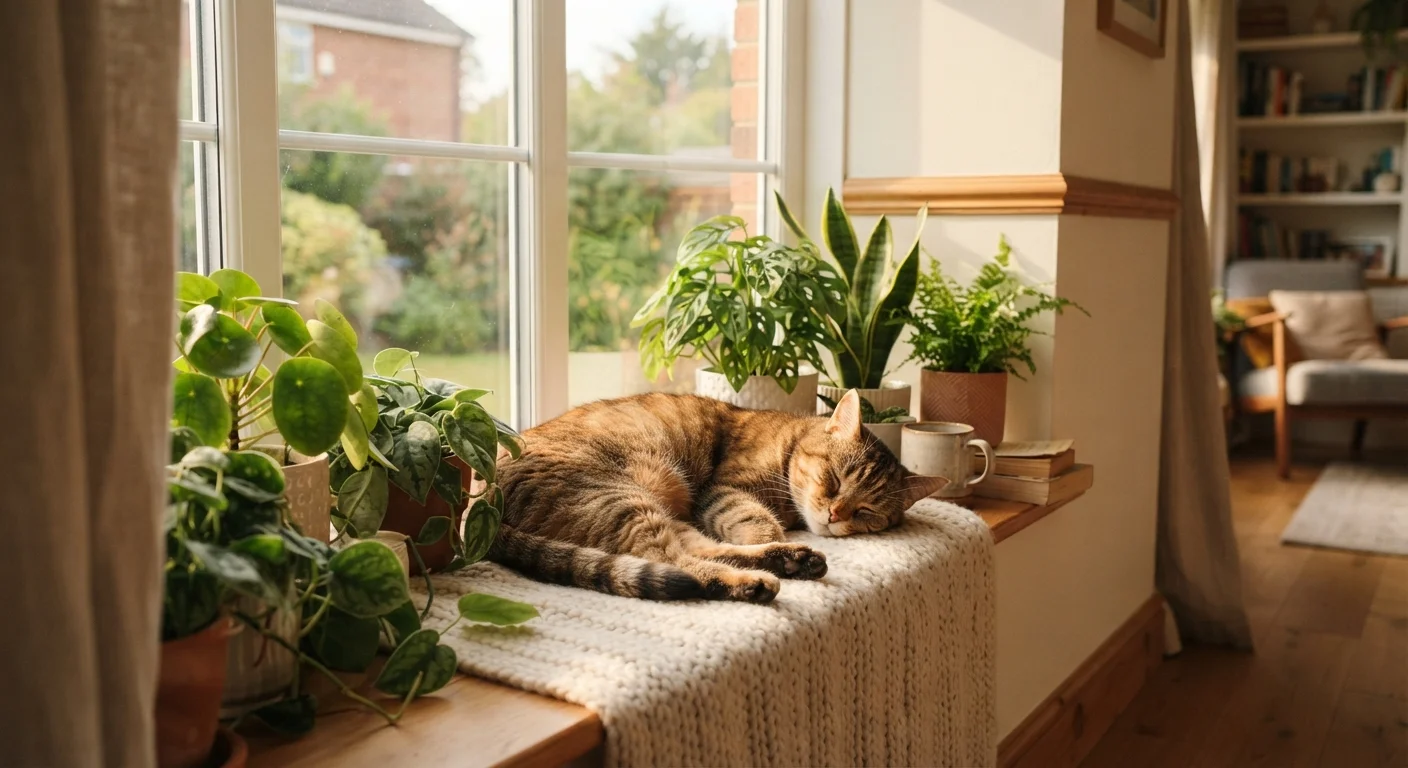
Why Indoor Life Requires Intentional Care
Keeping a cat exclusively indoors significantly reduces exposure to predators, traffic, infectious disease, and parasites. Studies by veterinary organizations consistently show indoor cats live longer, healthier lives on average. But indoor living also removes natural stimuli - territory to patrol, prey to stalk, varied terrain to navigate - that cats are wired to seek.
The result is that indoor cats don't automatically thrive just because they're safe. Without deliberate structure, they can become sedentary, anxious, or destructive. This guide covers every pillar of indoor cat care so you can close that gap between safety and genuine wellbeing.
If you're still deciding between indoor and outdoor access, a balanced breakdown of the tradeoffs can help you weigh the decision carefully. And if you've just brought a new cat home, the first two weeks matter more than most owners realize.
Setting Up a Cat-Friendly Home
Cats are territorial animals. How you configure your living space directly shapes your cat's sense of security and confidence. Start with these fundamentals:
- Vertical space: Cat trees, wall-mounted shelves, or cleared bookshelf space give cats elevated vantage points - something they instinctively seek for safety and observation.
- Hiding spots: Covered beds, cardboard boxes, or enclosed cubbies let cats retreat when overstimulated. Every cat needs at least one private refuge.
- Litter boxes: The general guideline is one box per cat, plus one extra. Place them in quiet, accessible locations - never near food or water bowls.
- Scratching surfaces: Both vertical posts and horizontal pads address different scratching preferences. Providing appropriate surfaces protects your furniture and satisfies a natural behavioral need.
Audit Your Home Before Day One
Walk through every room at cat-height before your cat arrives. Secure or remove toxic plants, loose cords, small objects, and any spaces where a curious cat could become trapped. Prevention is far easier than correction after an accident occurs.
Before bringing any cat home, audit your space for hazards: unsecured blind cords, toxic houseplants (lilies are particularly dangerous to cats), open washing machines, and small ingestible items. A safe environment is the starting point, not an afterthought.
Nutrition and Hydration Basics
Diet is one of the most consequential decisions you'll make for your indoor cat. Cats are obligate carnivores, meaning they require nutrients - like taurine and arachidonic acid - found only in animal tissue. A diet deficient in these can cause serious, irreversible health problems.
Key nutritional principles for indoor cats include:
- Protein-forward diets: Look for foods where a named animal protein (chicken, salmon, turkey) is the primary ingredient.
- Moisture intake: Cats evolved to get much of their water from prey. Many indoor cats don't drink enough from a bowl alone. Wet food or a circulating water fountain can meaningfully increase hydration, which supports kidney and urinary health.
- Portion control: Indoor cats tend to be less active than outdoor cats, making obesity a genuine risk. Follow feeding guidelines and adjust based on your cat's weight and energy level - your vet can help calibrate this.
Feed adult indoor cats at scheduled meal times rather than leaving food out all day. Timed feeding makes it much easier to notice early appetite changes - one of the most reliable early signals that something is wrong.
Free-feeding makes it nearly impossible to track how much a cat is actually eating, which delays detection of health issues and contributes to obesity.
Introduce a second cat gradually using scent swapping before any face-to-face introduction. Exchange bedding between the cats for several days before allowing visual or physical contact.
Cats rely heavily on scent to assess safety. Forcing immediate contact is a leading cause of lasting inter-cat tension in multi-cat households.
Avoid abrupt food changes, which can cause digestive upset. Transition to any new food over 7-10 days by gradually mixing increasing amounts of the new food with the old.
This article provides general nutritional information. Always consult your veterinarian for guidance tailored to your individual cat's health status and needs.
Mental Stimulation and Enrichment
Boredom in cats isn't just a nuisance - it produces real behavioral problems including excessive vocalization, destructive scratching, over-grooming, and aggression. Indoor cats need structured opportunities to express their natural behaviors.
Effective enrichment doesn't require elaborate setups. Practical enrichment ideas that work in small spaces cover everything from puzzle feeders to DIY foraging activities.
- Interactive play: Wand toys that mimic prey movement trigger hunting instincts. Two dedicated 10-15 minute play sessions daily are more effective than leaving toys out constantly.
- Window access: A secure perch at a window - especially one with bird feeders or foliage outside - provides passive visual stimulation throughout the day.
- Foraging and puzzle feeders: Hiding small portions of food around the home or using puzzle feeders slows eating and engages the cat's problem-solving instincts.
- Scent enrichment: Rotating novel scents (dried herbs, catnip, silvervine) activates olfactory exploration without requiring new purchases.
Rotate toys regularly - even familiar toys feel novel again after a week's absence.
Preventive Health and Veterinary Care
A common misconception is that indoor cats don't need regular vet visits. Veterinary science doesn't support that assumption. Indoor cats are still susceptible to dental disease, obesity, hyperthyroidism, kidney disease, and parasites that can be introduced on clothing or through open windows.
Indoor Cats Still Need Regular Vet Care
Never skip annual wellness exams because your cat stays inside. Many serious conditions - dental disease, kidney disease, hyperthyroidism - develop silently and are far more treatable when caught early. A yearly exam is the single most important preventive step you can take for a long-lived, healthy cat.
Annual wellness exams allow your veterinarian to detect early-stage conditions before they become costly or painful to treat. Cats are skilled at masking illness, so subtle changes in weight, coat quality, water intake, or litter box habits are often the first signs something is wrong.
Core components of preventive care include:
- Annual physical exams (or twice yearly for cats over age 7)
- Core vaccinations as recommended by your vet based on lifestyle
- Year-round parasite prevention for fleas and intestinal parasites
- Dental cleanings as advised - dental disease affects the majority of cats by age three
- Spay or neuter if not already completed
To make the most of each appointment, see our practical prep checklist for annual vet visits.
Grooming Essentials for Indoor Cats
Even self-grooming cats benefit from owner-assisted grooming. What's manageable at home - and when to call in a professional - depends on your cat's coat type and temperament. A full guide to home grooming walks through brushing, nail trimming, and ear care in detail.
At minimum, indoor cat grooming should include:
- Brushing: Short-haired cats benefit from weekly brushing; long-haired cats often need daily attention to prevent matting. Brushing also reduces hairballs, which are a genuine concern for indoor cats that groom more due to reduced environmental distraction.
- Nail trimming: Most indoor cats need trims every 2-4 weeks. Untrimmed nails can snag on fabric or curve into the paw pads.
- Ear inspection: Check weekly for dark debris, odor, or redness - signs that may warrant veterinary attention.
- Dental care: Daily tooth brushing with cat-safe toothpaste is the gold standard. If that's not feasible, dental treats, wipes, or water additives can provide partial benefit - discuss options with your vet.
Start grooming routines when a cat is young to build tolerance. With older or rescue cats, go slowly and pair each session with positive reinforcement.
This article is for general informational purposes only and is not a substitute for professional veterinary advice. Consult a licensed veterinarian for health concerns specific to your cat.
The content provided on our blog site traverses numerous categories, offering readers valuable and practical information. Readers can use the editorial team’s research and data to gain more insights into their topics of interest. However, they are requested not to treat the articles as conclusive. The website team cannot be held responsible for differences in data or inaccuracies found across other platforms. Please also note that the site might also miss out on various schemes and offers available that the readers may find more beneficial than the ones we cover.