

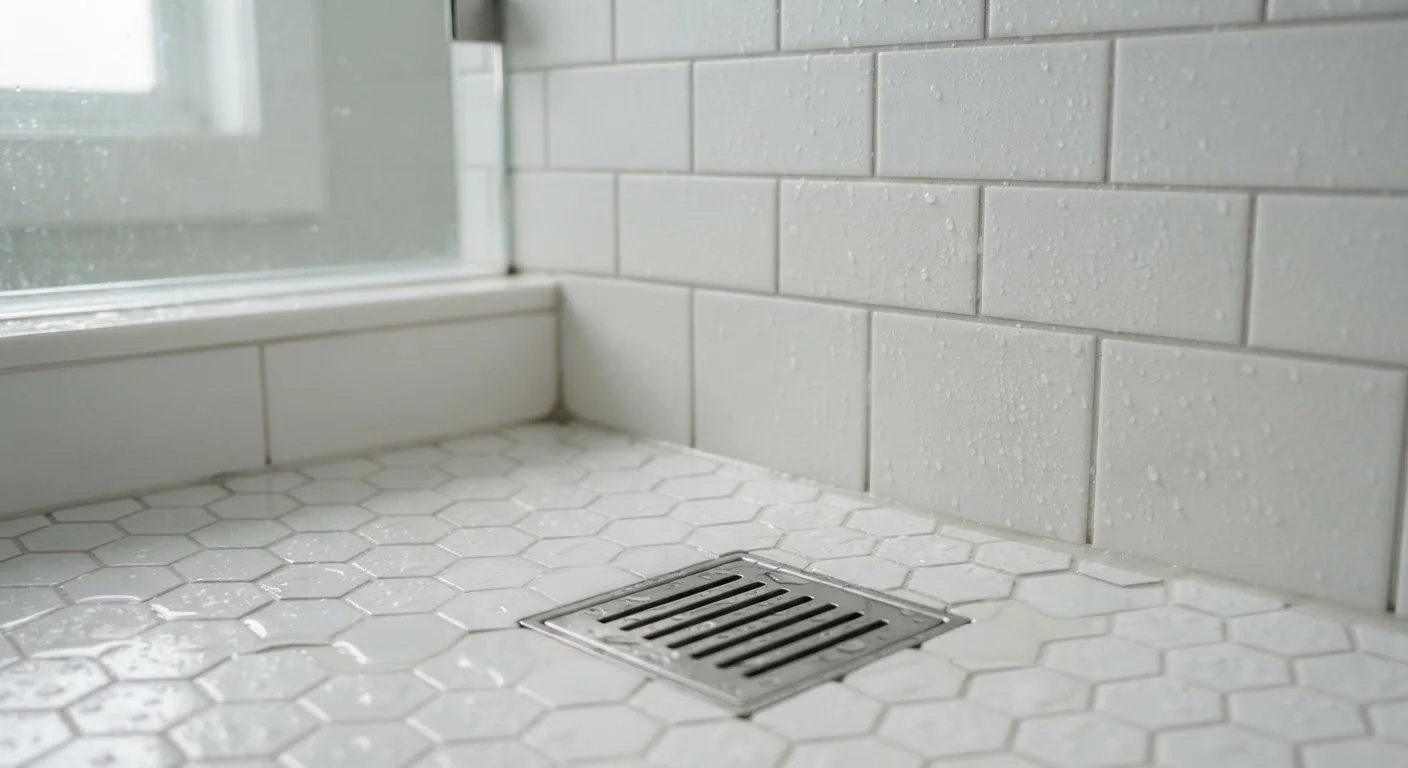
Why 'Tile Is Waterproof' Is the Most Expensive Bathroom Myth
Walk into almost any home improvement conversation and you'll hear it: "Just tile the shower and you're good." It sounds reasonable - tile is hard, smooth, and sheds water visibly. But tile is a surface material, not a waterproofing system. Most ceramic and porcelain tile is quite dense, but the grout lines between tiles are porous by nature and will absorb water over time, especially in steam-heavy environments like showers.
The real protection comes from a waterproofing membrane installed behind or beneath the tile. This membrane - which may be a sheet product, a liquid-applied coating, or a foam panel system - is what actually stops water from reaching the substrate (the wall board or concrete below). Without it, water migrates through grout, pools in the substrate, and eventually causes rot, mold, and structural damage that can cost far more than a proper installation would have.
This misconception is also addressed in our broader look at home maintenance myths that cost homeowners money, where similar "good enough" assumptions quietly rack up repair bills.
Myth
Tile is waterproof, so as long as my shower is tiled, water can't get into the walls.
Fact
Tile is water-resistant on its face, but grout is porous and tile alone provides no barrier against water reaching the substrate beneath.
Ceramic and porcelain tile shed surface water well, but the system depends entirely on what's behind the tile. Grout, even when sealed, remains somewhat permeable and degrades over time. Without a dedicated waterproofing membrane bonded to the substrate, water works its way through grout lines and into wall cavities, where it can cause mold growth and wood rot long before any visible damage appears at the surface.
Myth
Grout sealers are all the protection you need to waterproof a shower.
Fact
Grout sealer slows moisture absorption but is not a substitute for a proper waterproofing membrane installed beneath the tile.
Topical grout sealers are a maintenance product, not a structural waterproofing solution. They wear away with cleaning and use, require periodic reapplication, and do not protect the substrate at all - they only slow surface absorption. A sealer applied over already-compromised grout in an unsealed installation offers minimal protection against ongoing water infiltration.
Myth
If there's no visible mold or staining, the waterproofing is working fine.
Fact
Water damage behind tile can progress for months or years before any visible signs appear at the surface.
Tile and backer materials can mask moisture damage effectively. By the time discoloration, soft spots, or musty odors appear, the structural framing or subfloor may already be significantly compromised. In multi-story homes, a shower leak may first become apparent as a ceiling stain one floor below - often long after the damage has begun. Periodic professional inspection of caulk joints and grout condition is a more reliable approach than waiting for visible symptoms.
Myth
You can use grout everywhere in a tiled shower, including corners and the floor-wall joint.
Fact
Change-of-plane joints - wherever two surfaces meet at an angle - require flexible caulk, not rigid grout, to prevent cracking and water infiltration.
Grout is dimensionally stable but inflexible. At corners and floor-wall transitions, differential movement caused by temperature swings and humidity cycling will eventually cause rigid grout to crack. These cracks become direct water pathways. Tile industry standards (including guidance from the Tile Council of North America) call for flexible sealant at all change-of-plane joints precisely to accommodate this movement without breaking the water seal.
Myth
Waterproofing a shower is only necessary in new construction, not when retiling.
Fact
Any time tile is removed and reinstalled in a wet area, the waterproofing membrane should be inspected and replaced or repaired as needed.
Retiling is an opportunity - and often a necessity - to correct whatever contributed to the original failure. If the old substrate is damaged or the membrane is absent, simply laying new tile over the existing situation perpetuates the problem. Inspecting and, where necessary, replacing the waterproofing layer during a retile project is the single most important step to ensuring the new installation lasts.
Where Leaks Actually Begin - and Why Joints Are the Weak Point
Even in bathrooms that do have a waterproofing membrane, leaks frequently develop at the same predictable locations: corners, transitions between planes, and the joint where the wall meets the floor. These are called change-of-plane joints, and they're vulnerable because different surfaces expand and contract at slightly different rates with temperature and humidity. Rigid grout - which bonds tightly but doesn't flex - will eventually crack at these joints, creating a direct water pathway.
This is exactly why building science and most tile industry standards call for flexible sealant (caulk) rather than grout at all change-of-plane joints in wet areas. Grout belongs on flat, continuous field runs; caulk belongs wherever two surfaces meet at an angle. If you've ever noticed grout cracking at the base of your shower wall where it meets the floor, that's not a grouting failure - it's the wrong material used in the wrong place.
Never Grout Change-of-Plane Joints in Wet Areas
Using grout at corners and the floor-wall junction in a shower is one of the most common - and costly - tiling mistakes. Grout does not flex with building movement and will crack at these joints, often within a year or two. Once cracked, those joints become open water pathways. Always use a flexible, mold-resistant sealant rated for wet areas at any point where two surfaces meet at an angle.
Understanding when and why caulk fails is just as important as choosing it correctly. Our companion article on why caulk fails and when to reapply it walks through the causes of premature sealant breakdown. And if you're unsure whether to use grout or caulk in a specific joint, this side-by-side comparison can clarify the decision.
~70%
Shower leaks originating at joints and corners
Industry estimates from tile installation professionals suggest the majority of wet area failures begin at change-of-plane joints rather than through the tile field itself.
2-3×
Cost multiplier for water damage repairs vs. prevention
Restoration contractors generally note that remediating water damage in wall cavities and framing costs significantly more than a proper waterproofing installation would have at the time of tiling.
What Proper Wet Area Waterproofing Actually Requires
A compliant, durable wet area installation typically involves several layers working together. The substrate must be appropriate for wet environments - standard drywall is not; cement board, fiber-cement board, or foam tile backer panels are common choices. Over that goes the waterproofing membrane, which must be fully adhered, lapped correctly at seams, and carefully transitioned at drains and fixtures. Only then does the tile go on top.
Building codes in most US jurisdictions - typically following the International Residential Code (IRC) or local equivalents - require waterproofing in shower enclosures and tub surrounds. "Required" means that skipping or cutting corners on this step isn't just a quality issue; it may be a code violation. If you're retiling a bathroom and the contractor mentions no waterproofing membrane, that's a significant red flag worth addressing before work proceeds.
Missing Membrane? Stop Work and Reassess
If you're retiling a shower and find no waterproofing membrane behind the existing tile - only bare drywall or deteriorated backer - do not simply retile over it. Drywall is not an appropriate substrate for wet areas and will fail. The damaged material must be removed, the framing assessed for rot, appropriate backer installed, and a proper membrane applied before any new tile goes down. This is also the point at which permits and inspections may be required - check with your local building department before proceeding.
Moisture that bypasses your wet area doesn't stay contained. It follows framing members downward, which is why a second-floor shower leak can show up as a ceiling stain below - sometimes months later. For a related look at how different types of moisture behave and what each signals, see our article on basement moisture, condensation, and seepage. The same diagnostic thinking applies anywhere water intrusion is suspected.
The content provided on our blog site traverses numerous categories, offering readers valuable and practical information. Readers can use the editorial team’s research and data to gain more insights into their topics of interest. However, they are requested not to treat the articles as conclusive. The website team cannot be held responsible for differences in data or inaccuracies found across other platforms. Please also note that the site might also miss out on various schemes and offers available that the readers may find more beneficial than the ones we cover.