

Where the Term Comes From
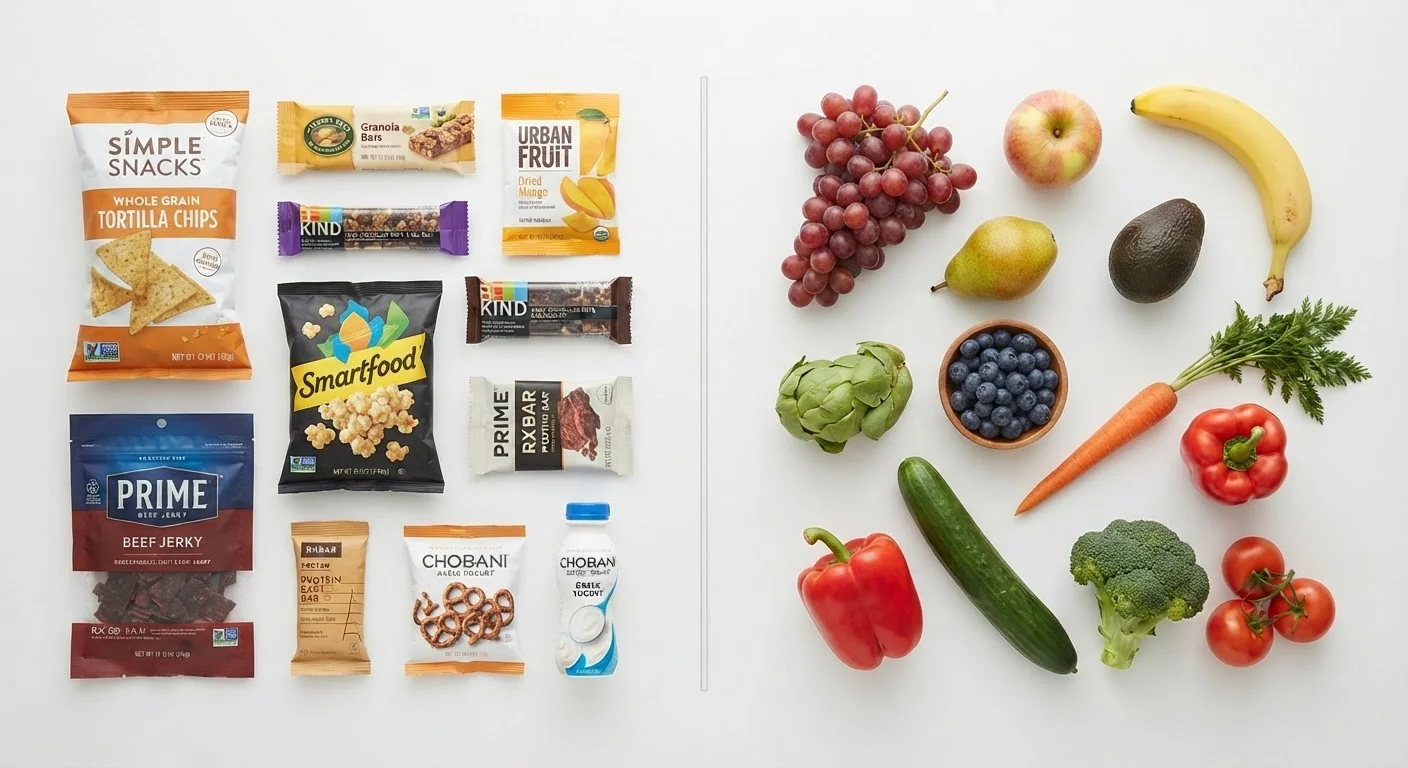
The phrase "ultra-processed" didn't originate in marketing - it comes from academic nutrition science. Brazilian epidemiologist Carlos Monteiro and his research team at the University of São Paulo developed the NOVA classification system in the early 2010s. NOVA groups foods into four categories based on the extent of industrial processing they undergo, rather than on nutrient content alone.
The four groups are: (1) unprocessed or minimally processed foods, like fresh vegetables, eggs, and plain meat; (2) processed culinary ingredients, like oils, flour, and sugar; (3) processed foods, like canned fish, cheese, and cured meats; and (4) ultra-processed foods - the most industrially transformed category. This framework has since been adopted widely in public health research and is referenced by organizations including the World Health Organization.
NOVA Is a Research Tool, Not a Regulatory Standard
The NOVA classification is widely used in nutrition research and referenced by public health bodies, but it is not an official regulatory framework in the United States. The FDA regulates food safety and labeling through separate rules. When you see 'ultra-processed' discussed in news or research, it almost always refers to the NOVA Group 4 definition - not any government-mandated category.
What Makes a Food 'Ultra-Processed'?
The key characteristic isn't just a long ingredient list - it's the nature of those ingredients. Ultra-processed foods typically include substances rarely used in home cooking: emulsifiers (which prevent separation), modified starches, artificial colors and flavors, flavor enhancers, and various preservatives designed to extend shelf life or improve texture and palatability.
These products are also engineered for convenience and hyper-palatability - meaning they are specifically designed to be highly appealing, often through precise combinations of fat, salt, and sugar. Common examples in the American diet include packaged pastries, flavored instant noodles, carbonated soft drinks, reconstituted meat products, and many packaged snack foods.
Understanding this is closely tied to label literacy. Reading ingredient lists carefully is one of the most practical skills for identifying how processed a product actually is.
57%
Share of US adult calories from ultra-processed foods
A 2016 analysis published in BMJ Open estimated that ultra-processed foods account for approximately 57% of total caloric intake among US adults.
67%
Share of calories from ultra-processed foods among US children
Research published in JAMA found that ultra-processed foods represented about 67% of calories consumed by children and adolescents in the United States.
10%+
Associated increase in overall cancer risk
A 2019 BMJ cohort study found a 10% increase in ultra-processed food intake was associated with a statistically significant increase in overall cancer incidence.
What the Research Shows
A growing body of observational research associates high intake of ultra-processed foods with elevated risks of conditions including type 2 diabetes, cardiovascular disease, obesity, and certain cancers. A major 2019 study published in The BMJ followed over 100,000 French adults and found that a 10% increase in the proportion of ultra-processed foods in the diet was associated with a statistically significant increase in overall cancer risk.
It's important to note that most of this evidence is observational - it shows association, not definitive causation. People who eat more ultra-processed foods may also have other lifestyle factors that affect health outcomes. Researchers are actively working to untangle these variables. That said, multiple large studies across different countries have found consistent patterns, which has led many public health bodies to treat this research seriously.
Diet quality extends beyond ultra-processing. How grain refining changes nutritional value is one example of how processing affects individual nutrients - a related but distinct issue from the NOVA classification.
“The problem with ultra-processed foods is not just what they contain, but what they replace in the diet - they crowd out the whole and minimally processed foods that provide fiber, micronutrients, and other protective compounds.”
— Carlos Monteiro, Professor of Nutrition and Public Health, University of São Paulo; lead developer of the NOVA classification system
Processing Isn't Always the Problem
An important nuance: not all food processing is harmful. Cooking, pasteurizing, fermenting, freezing, and drying are all forms of processing that can make food safer, easier to digest, or more nutritious. Frozen vegetables, plain yogurt, and canned tomatoes are processed but still nutritious, whole-food-based products that fit comfortably into a healthy diet.
The NOVA framework specifically targets the degree and industrial character of processing. Understanding how macronutrients function in your body can help you evaluate food choices beyond surface-level labels. The goal isn't to fear processing broadly, but to recognize when it has fundamentally changed a food's nutritional integrity.
Practically speaking, nutrition experts often suggest focusing on overall dietary patterns rather than obsessing over individual items. A diet built predominantly around minimally processed whole foods - with room for occasional ultra-processed choices - is a sustainable and evidence-grounded approach for most healthy adults. Always consult a qualified healthcare provider or registered dietitian for guidance tailored to your individual health needs.
This article is for general informational and educational purposes only and is not a substitute for professional medical or dietary advice. Please consult a qualified healthcare professional for guidance specific to your health situation.
Frequently Asked Questions
The difference lies in the degree of industrial transformation and the types of ingredients used. Processed foods like canned beans or frozen vegetables are altered mainly for preservation. Ultra-processed foods, by contrast, are made using industrial techniques and contain additives - such as emulsifiers, artificial colors, and flavor enhancers - not typically found in a home kitchen.
Research suggests ultra-processed foods as a category are associated with poorer health outcomes, but the evidence varies across specific products and populations. The classification is a useful starting point, not an absolute verdict on every item. Context - including overall diet quality, portion size, and frequency - always matters.
Checking the ingredient list is a reliable approach. A long list that includes ingredients like high-fructose corn syrup, hydrogenated oils, artificial flavors, or emulsifiers (e.g., carrageenan, xanthan gum) often signals a heavily processed product. Our guide on <a href="/health-wellness/nutrition-basics/reading-ingredient-lists-without-getting-confused">reading ingredient lists</a> explains how to decode these labels step by step.
Complete avoidance isn't necessary or realistic for most people. Nutrition experts generally recommend focusing on overall dietary patterns rather than eliminating individual foods. Gradually replacing some ultra-processed options with minimally processed alternatives - like swapping flavored chips for unsalted nuts - can make a meaningful difference over time.
Not always, though many are high in sodium, added sugar, and saturated fat while being low in fiber and micronutrients. Some fortified ultra-processed cereals, for instance, contain added vitamins and minerals. However, nutrient fortification doesn't fully offset the potential drawbacks of the overall ingredient profile.
The content provided on our blog site traverses numerous categories, offering readers valuable and practical information. Readers can use the editorial team’s research and data to gain more insights into their topics of interest. However, they are requested not to treat the articles as conclusive. The website team cannot be held responsible for differences in data or inaccuracies found across other platforms. Please also note that the site might also miss out on various schemes and offers available that the readers may find more beneficial than the ones we cover.