

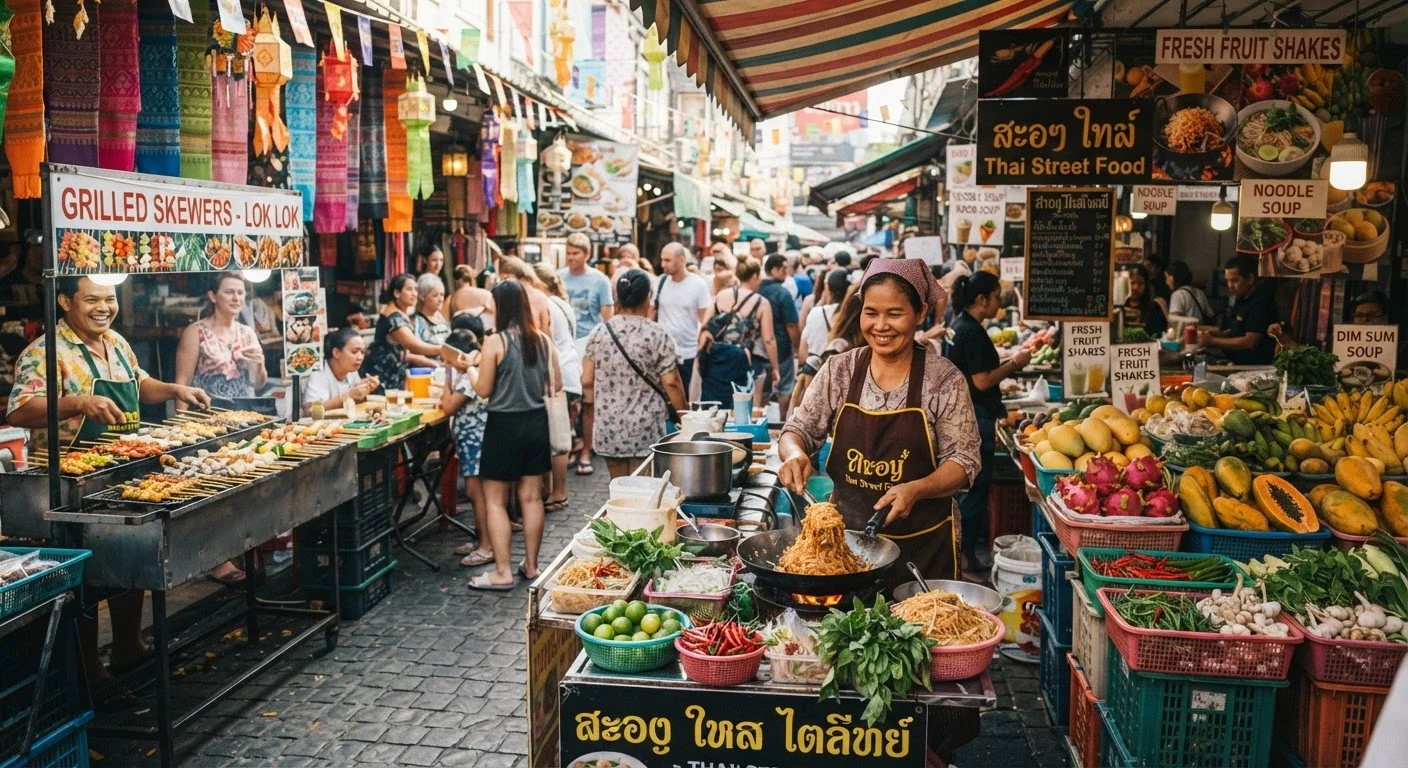
Why Food Costs Derail Travel Budgets
Food spending is one of the trickiest categories to control on the road. Unlike flights or hotels - costs you lock in before departure - meals accumulate decision by decision, three or more times a day. A $14 lunch here, a $9 coffee-and-pastry there, an $18 dinner that seemed reasonable at the time: it adds up faster than most travelers expect.
This is one of the most common blind spots covered in why travel budgets fall apart before you even leave. Many people set a rough per-day food number without a real strategy for hitting it - then wonder where the money went. The good news? Food is also one of the most flexible budget categories once you have a few deliberate habits in place.
~30%
Of total trip spend goes to food and drink
Industry travel surveys consistently find food and beverage represents roughly a quarter to a third of total vacation spending for American travelers.
2-3x
Tourist-area restaurant price premium
Restaurants in high-traffic tourist zones frequently charge two to three times more than comparable local establishments just blocks away, according to travel cost comparisons.
Best Practices for Eating Well Without Overspending
These approaches work whether you're road-tripping across the Midwest, exploring a coastal city, or venturing internationally. The goal isn't deprivation - it's spending where it counts and skipping where it doesn't.
Anchor your biggest meal to midday, not evening
Lunch menus at sit-down restaurants are frequently 20-40% less expensive than the identical dinner menu. Eating your most substantial - and most exploratory - meal at lunch lets you experience quality local food without paying peak dinner prices. Evenings can be kept simple and affordable.
Shop local grocery stores and markets for at least one meal per day
Grocery stores and farmers markets give you access to the same quality ingredients locals eat every day, without the markup that comes with table service, tips, and restaurant overhead. Even one self-sourced meal daily can cut food costs by a third or more over a week.
Eat where locals actually eat, not where tourists congregate
Restaurants located on or near major tourist attractions typically charge premium prices for average food. Wandering a few blocks off the main drag - or asking hotel staff, Airbnb hosts, or locals where they go - reliably surfaces better quality at lower prices.
Set a daily food budget and track it in real time
Without a number to aim for, spending expands to fill whatever's available. A simple daily food target - even a rough one - creates natural decision points before each meal rather than a reckoning at the end of the trip. This connects directly to the basics of building a workable budget that holds in real life.
Be selective about when you splurge - and enjoy it fully when you do
Trying to eat cheaply at every single meal leads to both fatigue and missed experiences. Strategically choosing one meaningful food experience per day or every other day - a special local dish, a highly regarded neighborhood spot - keeps spending in check while still building real food memories.
Carry portable snacks to avoid desperation spending
Hunger is one of the biggest drivers of impulsive, overpriced food purchases on the road. Airport grab-and-go items, tourist-area convenience stores, and resort snack bars charge significant premiums. Having a few filling snacks on hand removes that pressure entirely.
Quick Wins You Can Use Starting Today
You don't need a complete overhaul of how you travel to eat better on a budget. A few targeted habits, applied consistently, make a noticeable difference. These quick wins work for short weekend getaways just as well as longer trips - and they pair naturally with the broader strategies in stretching a $1,000 travel budget across a full week.
For travelers building a complete spending plan before departure, the step-by-step travel budget guide walks through how to estimate food costs realistically - including the categories most people forget. And if you're applying these same instincts at home, eating well on a tight budget offers evidence-informed approaches that complement your travel habits year-round.
“The traveler who eats where locals eat doesn't just save money - they have a more authentic experience. Tourist-area restaurants are priced for people who don't know any better.”
— Rick Steves, Travel author and host, known for practical budget travel guidance
The content provided on our blog site traverses numerous categories, offering readers valuable and practical information. Readers can use the editorial team’s research and data to gain more insights into their topics of interest. However, they are requested not to treat the articles as conclusive. The website team cannot be held responsible for differences in data or inaccuracies found across other platforms. Please also note that the site might also miss out on various schemes and offers available that the readers may find more beneficial than the ones we cover.