

Our Verdict
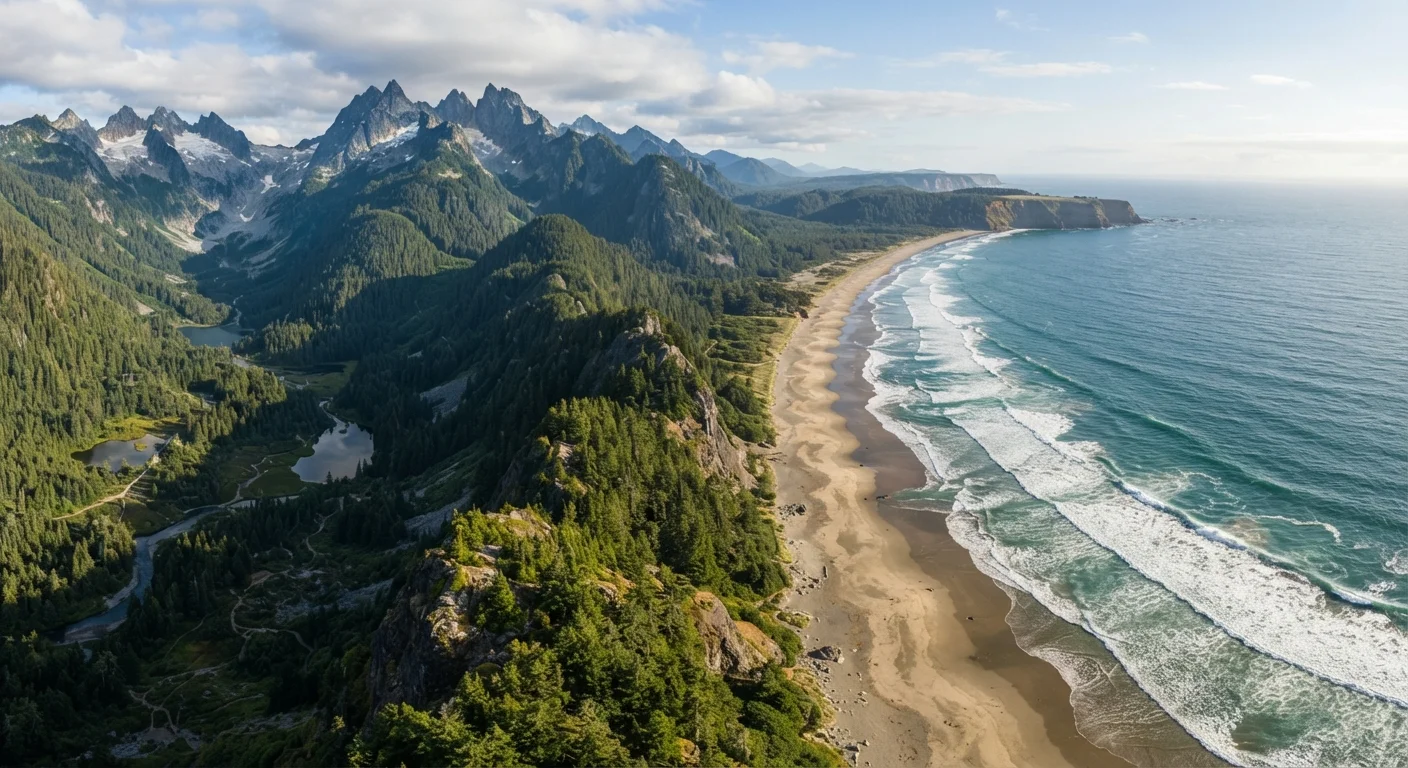
Neither mountains nor the coast is universally superior - the right choice depends on your group's energy level, preferred activities, and tolerance for weather risk. Mountains reward those craving immersion and physical challenge; coasts suit travelers who want variety, relaxed pacing, and water access. The best trip is the one that matches how you actually want to spend your days.
| Best for | Recommended |
|---|---|
| Active travelers seeking solitude and dramatic scenery | Mountains |
| Mixed groups wanting flexible, low-commitment itineraries | Coast |
| Budget travelers traveling outside peak summer season | Mountains |
| Families or couples blending beach relaxation with food and culture | Coast |
The Fundamental Difference in Rhythm
At their core, mountain and coastal trips impose different rhythms on your day - and that rhythm shapes everything from energy levels to mood to how much you spend. Mountains tend to be activity-first environments. Hiking a trail, reaching a summit, or kayaking a high-altitude lake requires planning, gear, and physical output. There's an inherent structure to mountain days that many travelers love and others find exhausting.
Coastal trips, by contrast, often allow you to simply show up. You can spend an hour in the water, wander a boardwalk, find a patio for lunch, and feel like you've had a full day. That low-friction quality makes coasts particularly popular for mixed groups - think multigenerational families or friends with varying energy levels. If matching trip style to your travel personality matters to you, understanding your travel type is a useful first step before choosing either environment.
Activities: What You Actually Do Each Day
Mountains offer a deep menu of land-based adventure: hiking, backpacking, rock climbing, mountain biking, fly fishing, and in winter, skiing and snowshoeing. The activities are largely self-directed and tied to the natural environment - which means the payoff is high, but so is the preparation required. Weather windows matter more here; an afternoon thunderstorm in the Rockies can shut down a planned summit attempt entirely.
Coasts deliver a wider mix of low- and high-effort options in the same place. Surfing, paddleboarding, snorkeling, and sailing coexist with beachcombing, seafood dining, and waterfront towns worth exploring on foot. That variety means one person in your group can be in the ocean while another browses a farmers market. Coastal regions like the Gulf Coast also layer in distinct local food and cultural identity that mountains rarely match in the same concentrated way.
| Mountains | Coast | |
|---|---|---|
| Primary activity type | Land-based, structured adventure | Mixed water, beach, and town culture |
| Pacing | Deliberate, activity-driven | Flexible, low-friction |
| Peak season pricing | Summer and winter ski season | Summer (Memorial-Labor Day) |
| Weather unpredictability | High - afternoon storms common at elevation | Moderate - hurricane season risk on some coasts |
| Group flexibility | Better for active, prepared travelers | Easier for mixed energy levels |
| Food and culture access | Limited in remote areas | Strong in coastal towns and cities |
| Gear requirements | Higher - hiking boots, layers, navigation | Lower - swimwear, sunscreen, sandals |
Cost Patterns and Seasonal Timing
Both environments have their own seasonal pricing logic. Mountain destinations in the American West and Appalachians see demand spike in summer and - for ski regions - winter. Shoulder seasons like late spring and early fall often offer lower accommodation costs and smaller crowds. Coastal destinations along the Atlantic, Pacific, and Gulf peak heavily in summer, with significant price drops from Labor Day through late spring.
Accommodation type also matters. Mountain towns tend to offer vacation rentals and lodges; coastal areas have a wider hotel inventory competing for the same demand. How you book lodging can meaningfully shift your total trip cost in either environment. For broader budget strategy, the Travel on a Budget hub covers approaches that apply across both destination types.
Time Your Trip for the Shoulder Season
Both mountains and coasts offer meaningful savings and smaller crowds in their respective shoulder seasons. For mountains, late September through October and May through early June are often ideal. For coasts, September and October (outside hurricane risk zones) can deliver summer-like weather at off-peak prices. Flexibility on dates is one of the most effective levers you have for any destination type.
Weather Risk and Planning Flexibility
Weather is one of the most underestimated variables in the mountains-vs-coast decision. At elevation, conditions can shift from clear to dangerous within an hour. Afternoon lightning is a genuine safety concern on exposed ridgelines, and mountain weather forecasts are notoriously short-range accurate. This means mountain trips require more built-in flexibility - backup plans, alternate trail options, and a willingness to adjust on the day.
Coastal weather is more predictable in some respects but carries its own risks: rip currents, tropical storms (particularly in the Atlantic Southeast and Gulf during hurricane season), and coastal fog. Still, a rainy beach day is generally easier to redirect than a socked-in mountain summit. Factoring in weather and seasonality when choosing a destination helps avoid the most common planning regrets. Always verify current conditions and any relevant travel advisories through official sources before you go.
The content provided on our blog site traverses numerous categories, offering readers valuable and practical information. Readers can use the editorial team’s research and data to gain more insights into their topics of interest. However, they are requested not to treat the articles as conclusive. The website team cannot be held responsible for differences in data or inaccuracies found across other platforms. Please also note that the site might also miss out on various schemes and offers available that the readers may find more beneficial than the ones we cover.