

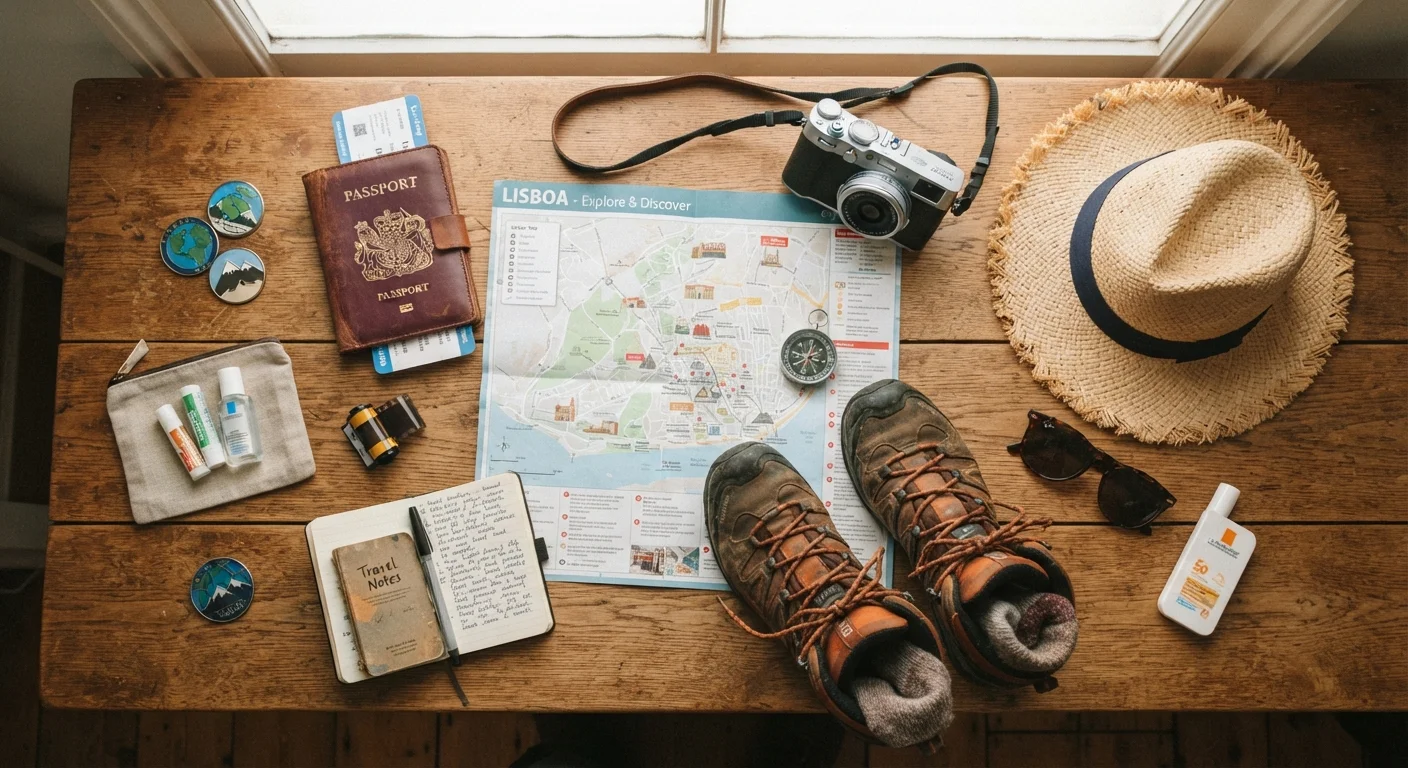
Why Your Travel Style Matters More Than the Destination
The most instagrammed destination in the world won't satisfy you if it doesn't match how you actually travel. A confirmed homebody-turned-adventure seeker who books a resort-heavy cruise will feel restless by day two. An introvert who craves slow mornings crammed into a 12-city European sprint will return exhausted, not refreshed.
Travel personality isn't about being picky - it's about being self-aware. When you understand what genuinely energizes you on a trip, you stop making choices based on what looks appealing online and start making choices based on what actually works for you. That shift is where great trips are born.
Not sure where your style fits? Start by exploring what makes a destination right for your travel style - it breaks down pace, cost, and accessibility factors that interact directly with personality type.
76%
Travelers who say trip satisfaction depends on experience type
According to a traveler sentiment study by the US Travel Association, the majority of American travelers report that what they do on a trip matters more than where they go.
2 in 3
Travelers who feel their last trip didn't fully meet expectations
Research from tourism behavior studies suggests that expectation-reality gaps - often driven by poor destination-style alignment - are among the most common sources of post-trip dissatisfaction.
58%
US travelers who identify as 'mixed-style' travelers
Travel industry surveys consistently find that most American travelers blend elements of cultural, adventure, and relaxation preferences rather than fitting neatly into a single category.
The Four Core Travel Personalities
While real travelers are beautifully complicated, most trip satisfaction patterns cluster around four dominant styles. Think of these as starting points, not labels.
The Adventure Seeker
You're drawn to physical challenge, novelty, and stories worth telling. You'd rather hike a volcano than visit a museum, and a beach only works if there's surfing, snorkeling, or cliff-jumping nearby. Destinations like national park circuits, mountainous regions, and coastal areas with water sports align with your energy. Consider what mountains versus coast actually deliver before committing to a landscape.
The Cultural Immersionist
You travel to understand, not just to see. You read menus in the local language, seek out neighborhood markets over tourist squares, and feel most alive when a local shows you something off the map. Cities with deep history, working arts scenes, and distinct culinary traditions reward this style most - think historic European capitals, Southeast Asian cities, or the American Southwest's indigenous heritage corridors.
The Relaxation Prioritizer
You travel to decompress, full stop. Packed itineraries are a source of stress, not excitement. You need a trip that gives you permission to slow down - whether that's a lakeside cabin in Vermont, a warm-weather beach destination, or a wine-country town with nothing mandatory on the schedule. Slow travel philosophy was practically invented for you.
The Urban Explorer
Neighborhoods, architecture, food halls, live music, galleries - cities are your playground. You do your best traveling on foot with a loose plan and good shoes. You thrive in dense, walkable metros where every block offers something new. The challenge for urban explorers is resisting the urge to over-schedule; the best city discoveries are usually unplanned.
How Pace Cuts Across All Personality Types
Pace is the variable that even experienced travelers underestimate. You can be a cultural immersionist who moves slowly through one city for a week, or one who rushes through five countries in ten days - and your satisfaction will differ enormously between those two trips.
Before you lock in any destination, answer this honestly: Do you want depth or breadth on this trip? Depth means fewer places, more time, more texture. Breadth means more ground covered, more variety, more logistics. Both are valid. Neither is sustainable if it contradicts your natural tempo.
If you're traveling with others who have different pace preferences, the planning conversation has to happen before the itinerary gets built - not after flights are booked. Our guide on structuring a family trip schedule everyone can enjoy offers concrete frameworks for negotiating mixed-pace needs, even outside the family travel context.
Test Your Pace Before You Commit
Before booking a multi-week trip, recall your last vacation day-by-day. Where did energy peak? Where did frustration appear? If you felt drained on high-activity days and recharged on slow ones (or vice versa), you've identified your real pace preference - not just your aspirational one. Design your next itinerary around that honest data point, not who you wish you were as a traveler.
Translating Self-Knowledge Into an Actual Itinerary
Once you've identified your dominant travel personality and pace preference, the structural work becomes much cleaner. Start with your non-negotiables - the two or three experiences that would make this trip feel worthwhile - and build outward from there. That's the opposite of how most people plan (picking a destination first, then filling in activities), and it consistently produces more satisfying trips.
For a step-by-step look at turning self-knowledge into a coherent plan, see the anatomy of a well-built travel itinerary. And if you're starting from zero - destination unknown - trip planning from scratch walks you through every stage with this personality-first mindset built in.
The best trip you'll ever take isn't necessarily the most exotic one. It's the one that was designed around how you actually travel.
Frequently Asked Questions
Think about your last trip - what energized you and what drained you? If exploring ruins excited you more than the pool, you lean cultural. If you skipped the museums for a hike, you lean adventure. Your natural pull toward certain activities is your clearest signal.
Absolutely. Most people blend two or three styles. The key is knowing which style dominates on any given trip, since that should drive your destination and itinerary choices. Trying to satisfy every style equally often leads to a fragmented experience.
Mixed-style travel is very common and very doable with upfront planning. Identify one or two non-negotiables for each person, then build the itinerary around those anchors, leaving flexible time in between. See our guide on <a href="/travel-trips/trip-planning/solo-travel-vs-group-travel-weighing-the-planning-realities">solo vs. group travel planning</a> for a deeper look.
Yes - life stage, budget, health, and travel experience all shift your preferences. Someone who craved backpacking adventures at 25 may favor slow cultural travel at 40. Re-evaluating your style before each major trip keeps your choices aligned with who you are now.
Neither is objectively better - it depends entirely on your personality and goals. Slow travel rewards depth-seekers and those who value routine and immersion. Fast-paced itineraries suit variety-seekers and those with limited vacation days. The worst outcome is choosing a pace that conflicts with your natural rhythm.
That depends more on your travel style than your experience level. Cultural travelers often thrive in Western Europe; adventure-first travelers may prefer structured tours in places like Costa Rica or New Zealand. For a full planning framework, see our <a href="/travel-trips/trip-planning/trip-planning-from-scratch-a-first-timers-roadmap">first-timer's trip planning roadmap</a>.
The content provided on our blog site traverses numerous categories, offering readers valuable and practical information. Readers can use the editorial team’s research and data to gain more insights into their topics of interest. However, they are requested not to treat the articles as conclusive. The website team cannot be held responsible for differences in data or inaccuracies found across other platforms. Please also note that the site might also miss out on various schemes and offers available that the readers may find more beneficial than the ones we cover.