

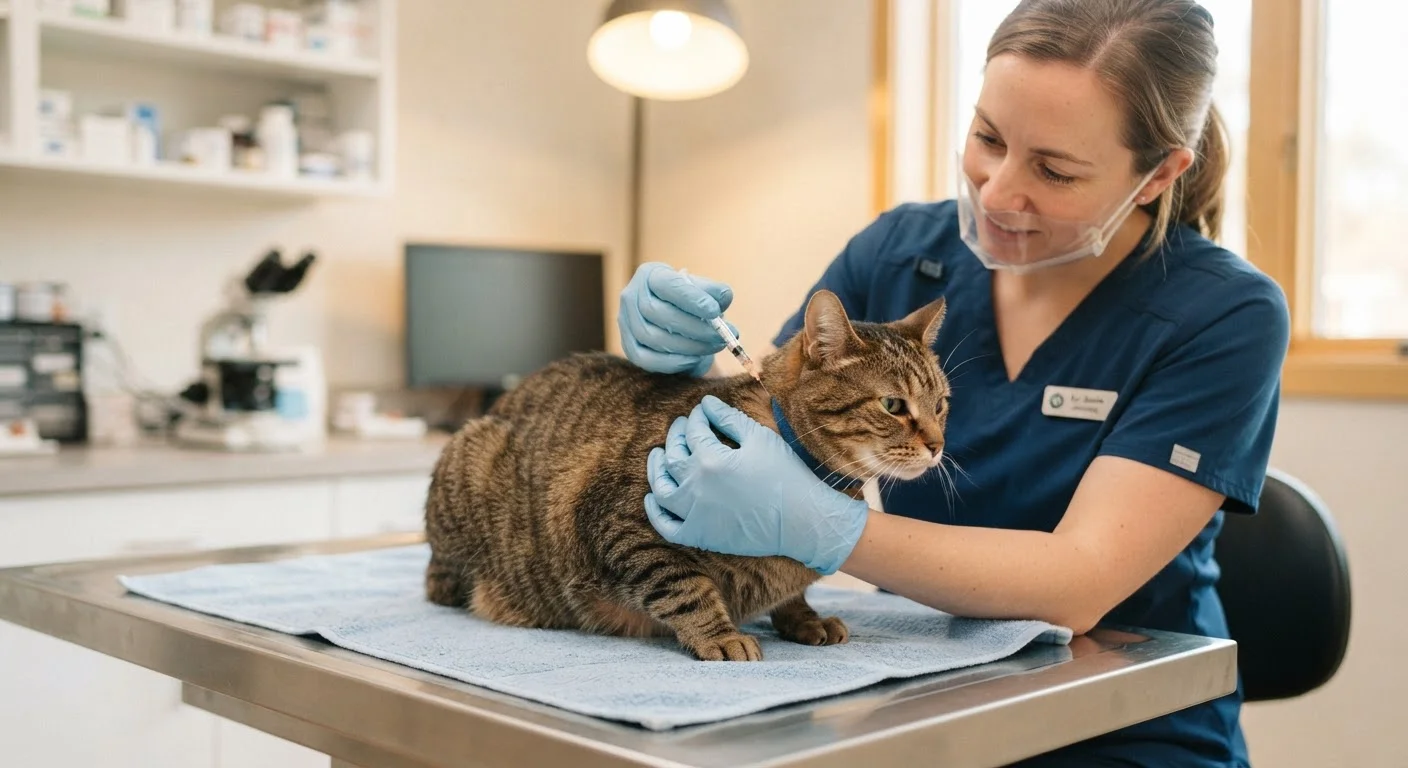
Core Vaccines Every Cat Should Have
Veterinary guidelines distinguish between core vaccines - those recommended for virtually all cats regardless of lifestyle - and non-core vaccines tailored to individual risk. Understanding which category a vaccine falls into helps you have a more productive conversation with your vet.
The core feline vaccines protect against four diseases:
- Feline panleukopenia (FPV) - sometimes called feline distemper, this highly contagious parvovirus attacks rapidly dividing cells and can be fatal, especially in kittens.
- Feline herpesvirus-1 (FHV-1) - a primary cause of feline upper respiratory infection (URI), leading to sneezing, nasal discharge, and eye inflammation.
- Feline calicivirus (FCV) - another major URI pathogen, also linked to oral ulcers and, in severe strains, systemic disease.
- Rabies - required by law in most U.S. states regardless of whether your cat lives indoors or out. The virus is universally fatal once symptoms appear, and it poses a direct public health risk.
FHV-1 and FCV are typically combined with FPV in a single injection called the FVRCP vaccine. This combination shot forms the backbone of nearly every cat's vaccination schedule.
Even strictly indoor cats benefit from core vaccines. As noted in common cat health misconceptions, the belief that indoor cats don't need vet visits - or vaccines - isn't supported by veterinary evidence. Escaped cats, open windows, and new animals entering the household all represent real exposure pathways.
Non-Core Vaccines and Who Needs Them
Non-core vaccines are given based on a cat's specific risk profile. Your veterinarian will assess lifestyle factors - outdoor access, multi-cat households, boarding, and geographic location - before recommending any of the following:
Core vaccine
A vaccine recommended for all cats regardless of lifestyle, because the disease it prevents poses a serious, widespread risk. FVRCP and rabies are the primary core vaccines for cats.
Non-core vaccine
A vaccine given based on a cat's individual risk factors, such as outdoor access, exposure to other cats, or geographic location. FeLV is the most commonly recommended non-core vaccine.
FVRCP
A combination vaccine covering feline viral rhinotracheitis (herpesvirus), calicivirus, and panleukopenia. It is the standard core combination given to kittens and adult cats on a routine schedule.
Feline injection-site sarcoma (FISS)
A rare but serious type of cancer that can develop at vaccine or injection sites in cats. Current veterinary guidelines recommend specific injection locations and monitoring to detect it early.
Maternal antibodies
Protective antibodies passed from a mother cat to her kittens through colostrum (early milk). They provide temporary immunity but can also interfere with vaccine-induced immune responses in young kittens.
- Feline leukemia virus (FeLV) - strongly recommended for all kittens and for cats with outdoor access or exposure to unknown cats. FeLV suppresses the immune system and is a leading cause of cancer in cats.
- Feline immunodeficiency virus (FIV) - spread primarily through deep bite wounds, so risk is highest in outdoor male cats who fight. A vaccine has existed but its use is not universally recommended due to limitations in protection and testing interference; discuss with your vet.
- Bordetella bronchiseptica - considered for cats in high-density environments like shelters or catteries where respiratory infections spread easily.
- Chlamydophila felis - occasionally included in multi-cat settings with a history of persistent conjunctivitis.
Non-core doesn't mean unimportant - it means the decision is individualized. A cat that boards frequently or lives in a rural area with wildlife contact has a very different risk profile than a single indoor cat in an apartment.
Timing: Kitten Series Through Adult Boosters
Vaccine timing follows a structured schedule because kittens carry maternal antibodies that can interfere with early immune responses. The goal is to begin building the kitten's own immunity once those maternal antibodies wane.
Typical kitten schedule (FVRCP):
- First dose: 6-8 weeks of age
- Boosters every 3-4 weeks until 16-20 weeks of age
- Rabies: one dose as early as 8-12 weeks, depending on the product and local law
Adult booster schedule:
- FVRCP: booster at one year after the kitten series, then every 1-3 years depending on the vaccine product and your vet's assessment
- Rabies: annually or every three years, depending on the vaccine licensed for use and state law
- FeLV: annual boosters for at-risk cats
Tracking this schedule is easier when you prepare in advance. Our annual vet visit prep guide includes a practical checklist for staying organized between appointments.
Adult cats with unknown vaccine histories are typically restarted with a two-dose series for FVRCP, spaced 3-4 weeks apart, then placed on a standard booster schedule.
Vaccine Safety, Side Effects, and What to Watch For
Vaccines approved for veterinary use go through safety and efficacy review before reaching the market. Mild, short-lived side effects are normal and generally resolve within 24-48 hours. These can include:
- Lethargy or reduced appetite the day of vaccination
- Mild swelling or tenderness at the injection site
- Low-grade fever
More serious reactions are uncommon but possible. Contact your veterinarian promptly if your cat shows facial swelling, difficulty breathing, persistent vomiting, or collapse after vaccination - these may indicate an allergic response requiring immediate attention.
One longer-term concern discussed in feline medicine is feline injection-site sarcoma (FISS), a rare but aggressive tumor that can develop at injection sites. To reduce this risk, current guidelines recommend specific anatomical injection locations and encourage monitoring the site for lumps that persist beyond four weeks, grow larger than two centimeters, or continue growing after three weeks. If you notice any of these signs, contact your vet without delay.
This is general health information, not medical advice. Always consult a licensed veterinarian about your cat's individual health needs and appropriate vaccination schedule.
For a broader picture of preventive care for your cat, see our complete indoor cat care roadmap.
This article provides general educational information about feline vaccines and is not a substitute for professional veterinary advice. Consult a licensed veterinarian for guidance specific to your cat's health, history, and circumstances.
The content provided on our blog site traverses numerous categories, offering readers valuable and practical information. Readers can use the editorial team’s research and data to gain more insights into their topics of interest. However, they are requested not to treat the articles as conclusive. The website team cannot be held responsible for differences in data or inaccuracies found across other platforms. Please also note that the site might also miss out on various schemes and offers available that the readers may find more beneficial than the ones we cover.