

Sounds Your Water Heater Shouldn't Be Making
A water heater doing its job quietly is a good sign. When it starts making noise, pay attention. The most common culprit is sediment - minerals like calcium and magnesium that naturally occur in water and settle at the bottom of the tank over time.
As sediment layers build up, water trapped beneath them superheats and forces its way through, creating a rumbling, popping, or banging sound. Beyond being disruptive, this forces your heater to work harder, reducing efficiency and accelerating wear on the tank lining.
A high-pitched whining sound can indicate a failing heating element (common in electric water heaters), while a hissing noise often points to a small water leak somewhere on the unit. If you hear any of these sounds regularly, don't dismiss them - they're your first warning that maintenance is overdue.
Flush Your Tank Once a Year
Annual flushing removes sediment before it accumulates to problem levels. Connect a garden hose to the drain valve, turn off power or gas to the unit, and let the tank cool before draining. Run the water until it flows clear. This single task can meaningfully extend your water heater's life and maintain heating efficiency.
What Discolored or Smelly Water Is Telling You
Turn on your hot tap and notice the water looks orange, brown, or murky? That's a red flag. Rust-colored hot water almost always points to corrosion happening inside the tank itself, usually after the anode rod - a magnesium or aluminum rod designed to attract corrosive elements - has worn through.
If both your hot and cold water appear discolored, the issue is more likely in your pipes or municipal supply. But if only hot water is affected, the water heater is the source.
A sulfur or "rotten egg" smell coming from your hot water is typically caused by a reaction between the anode rod and naturally occurring sulfates in the water. While this is not immediately dangerous, it's unpleasant and worth addressing. A plumber can replace the anode rod or switch to a different rod material that reacts less with your local water chemistry.
8-12 years
Typical lifespan of a tank water heater
The U.S. Department of Energy estimates that most conventional storage water heaters last between 8 and 12 years with routine maintenance.
~20%
Share of home energy use from water heating
According to the U.S. Department of Energy, water heating accounts for roughly 20% of a home's total energy consumption, making an inefficient unit costly to run.
120°F
Recommended thermostat setting for safety and efficiency
The U.S. Department of Energy recommends 120°F as the optimal water heater temperature, balancing scalding prevention and efficient operation.
Inconsistent Hot Water and Temperature Problems
If your shower goes cold halfway through, or you notice hot water takes much longer to recover than it used to, your water heater may be struggling. In electric models, a failing heating element is a common cause - most electric heaters have two elements, and if one burns out, capacity drops noticeably.
In gas water heaters, a faulty thermocouple or a dirty burner assembly can prevent the unit from maintaining a consistent flame. A thermostat set incorrectly is another simple explanation - the U.S. Department of Energy generally recommends setting water heater thermostats to 120°F for a balance of safety and efficiency.
If your household's hot water demand hasn't changed but recovery time has slowed significantly, it's worth having a technician evaluate the heating components before the situation worsens. See our guide to deciding when to call a plumber to weigh your options.
Leaks, Moisture, and the Pressure Relief Valve
Any water pooling around the base of your water heater is a serious sign. It could stem from a loose fitting or drain valve - manageable issues - but it can also indicate a cracked or corroded tank, which typically means replacement rather than repair.
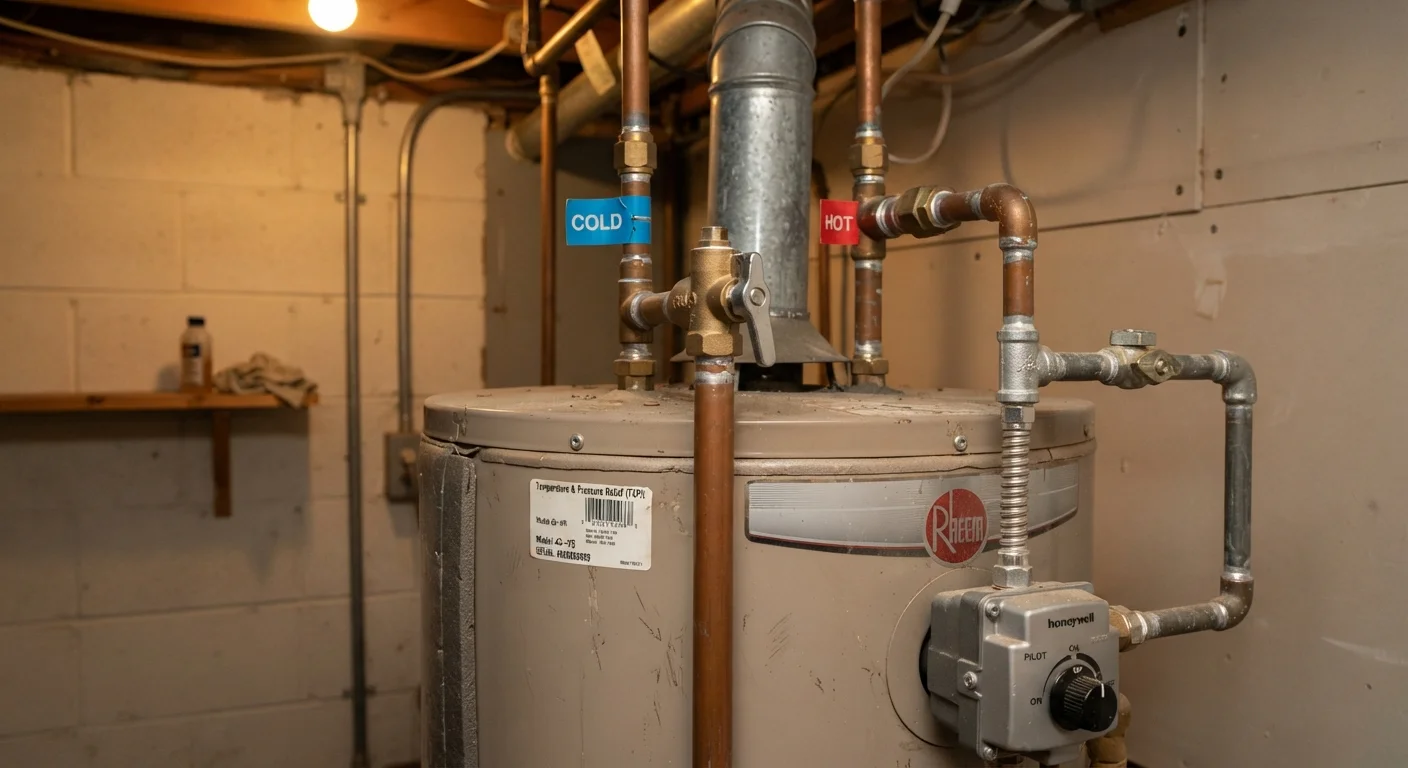
One component worth understanding is the temperature and pressure relief (TPR) valve, usually located on the side of the tank with a small lever and a discharge pipe pointing downward. This safety valve is designed to release water if pressure or temperature inside the tank becomes dangerously high. If you notice it dripping or discharging frequently, that's not normal operation - it means pressure is building beyond safe levels and a professional inspection is needed right away.
Much like how a vehicle's warning lights communicate problems you can't see at a glance - similar to what you'd find in our guide to dashboard warning lights - your water heater's physical signals deserve the same prompt attention. Catching a leak early can prevent water damage that costs far more than the heater itself to repair.
Gas Water Heater Repairs: Leave It to the Pros
If your water heater runs on natural gas, resist the urge to diagnose or repair burner components yourself. Gas line work and burner assemblies carry real safety risks, including fire and carbon monoxide exposure. Always contact a licensed plumber or gas technician for anything beyond visual inspection and basic maintenance like flushing.
Frequently Asked Questions
Rumbling or popping sounds are usually caused by sediment - primarily mineral deposits - that has settled at the bottom of the tank. As water heats up, it bubbles through this layer, creating those noises. Flushing the tank annually can reduce sediment buildup and help extend the heater's life.
Rusty or brownish hot water typically indicates internal corrosion inside your tank or a depleted anode rod. If only your hot water appears discolored (not cold), the source is almost certainly the water heater itself. This is a sign to have a plumber inspect the unit promptly, as a corroding tank may eventually leak.
Most conventional tank water heaters last between 8 and 12 years with regular maintenance. Tankless models can last 15-20 years. Age alone isn't a reason to replace a unit, but once warning signs appear in an older heater, replacement is often more cost-effective than repeated repairs.
Any active leak from your water heater should be treated seriously. A small drip from the pressure relief valve may indicate the valve is doing its job releasing excess pressure, but it still requires professional evaluation. Puddles forming around the base of the tank may signal a cracked or corroded tank, which cannot be reliably repaired - replacement is usually necessary.
Yes, flushing sediment from a tank water heater is a task many homeowners handle themselves. The process involves connecting a garden hose to the drain valve and carefully releasing water until it runs clear. Always turn off power or gas to the unit first, and let the water cool before draining to avoid burns. If you're unsure, a plumber can do this during a routine service visit.
Call a licensed plumber if you notice active leaks, corrosion around fittings, a consistently tripping pressure relief valve, or if your unit is over 10 years old and showing multiple symptoms at once. Gas water heater repairs, in particular, should always be handled by a qualified professional due to safety risks.
The content provided on our blog site traverses numerous categories, offering readers valuable and practical information. Readers can use the editorial team’s research and data to gain more insights into their topics of interest. However, they are requested not to treat the articles as conclusive. The website team cannot be held responsible for differences in data or inaccuracies found across other platforms. Please also note that the site might also miss out on various schemes and offers available that the readers may find more beneficial than the ones we cover.