

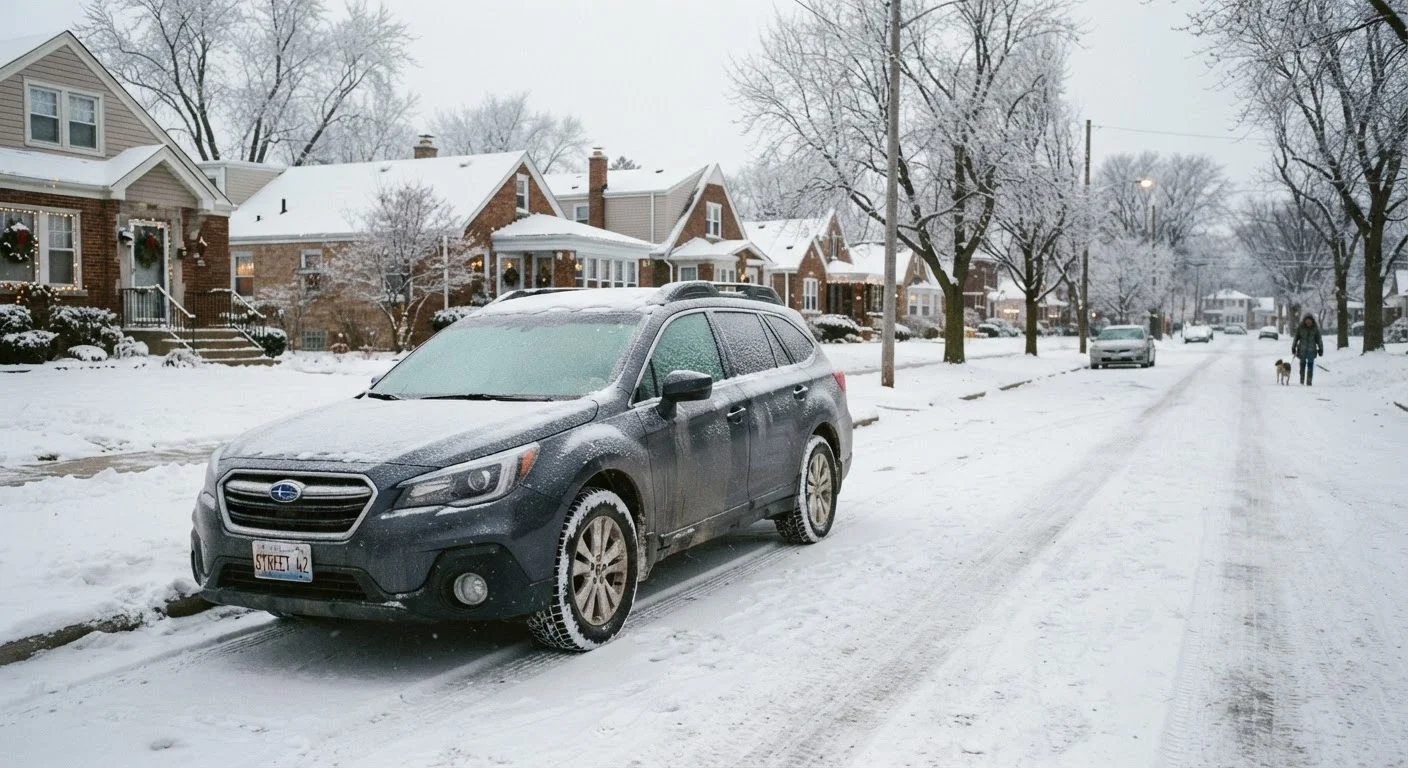
Why Winter Preparation Is Worth the Effort
Cold weather puts unique stress on nearly every major system in your vehicle. From the battery to the brakes, components that function reliably in mild conditions can fail when temperatures drop sharply. A proactive approach to winter maintenance isn't just about avoiding inconvenience - it's about staying safe when road conditions are already working against you.
The good news is that most winter-readiness checks are straightforward. Many can be done at home, while a few are worth leaving to a qualified mechanic. For guidance on which tasks fall into which category, see our DIY car maintenance guide. Once you understand the basics, preparing your vehicle for winter becomes a manageable, repeatable routine.
Test your battery before the first hard freeze of the season.
Cold temperatures reduce a battery's ability to deliver the power needed to start your engine. A battery that performs adequately in summer may fail completely at 20°F. Most auto parts stores offer free battery load tests, and a mechanic can advise whether replacement is warranted.
Check tire pressure weekly and consider winter tires if you drive in snow regularly.
Tire pressure drops approximately one PSI for every 10°F decrease in ambient temperature. Underinflated tires reduce traction and handling - especially dangerous on icy roads. All-season tires are adequate in light snow, but dedicated winter tires use a softer rubber compound that stays pliable in extreme cold, significantly improving grip.
Verify your antifreeze mixture is rated for the coldest temperatures in your region.
Antifreeze (coolant) prevents the water in your engine's cooling system from freezing and cracking engine components - a repair that can cost thousands of dollars. The standard 50/50 mixture of antifreeze and water protects to around -34°F, but your local climate and current mixture should be verified.
Replace windshield washer fluid with a winter-rated formula before temperatures drop.
Standard washer fluid can freeze in the reservoir, lines, or directly on your windshield, creating an immediate visibility hazard. Winter-rated fluid contains antifreeze agents that remain effective well below 32°F.
Inspect wiper blades and replace them if they streak or skip.
Worn blades compromise visibility in rain, sleet, and snow - exactly the conditions you'll face most in winter. Some drivers opt for winter-specific wiper blades, which use a rubber boot to prevent ice and snow buildup around the blade frame.
Check your brakes, especially if you hear squealing, grinding, or feel pulsing when stopping.
Brakes that are marginal in dry conditions become genuinely dangerous on wet or icy roads where stopping distances are already extended. Have a qualified mechanic inspect pad thickness and rotor condition before winter if you have any doubts about brake performance.
Key Winter Maintenance Practices
Work through these practices before the first hard freeze. Addressing them as a group - rather than reacting to individual failures - saves time and reduces risk.
What to Keep in Your Car All Winter
Even a well-maintained vehicle can encounter trouble in severe winter weather. An emergency kit stored in the trunk provides a critical safety net. At a minimum, consider including a ice scraper and snow brush, jumper cables or a portable jump starter, a blanket, a small bag of sand or kitty litter for traction, a flashlight with fresh batteries, and a basic first-aid kit.
When to Consult a Qualified Mechanic
Tire pressure checks, washer fluid top-offs, and wiper replacement are tasks most drivers can handle themselves. However, brake inspections, cooling system flushes, and battery replacement are best left to a qualified mechanic - particularly if your vehicle is under warranty or if you're unfamiliar with the specific procedure. When in doubt, a pre-winter multi-point inspection at a trusted shop covers multiple systems at once and can catch issues you might miss.
Winter preparation doesn't end with your vehicle. If you're planning longer trips during the cold months, review our pre-trip road trip checklist to cover route planning and driver readiness as well. And for year-round maintenance tracking, our seasonal maintenance checklist is a useful reference to keep in the glove box.
Winter driving itself requires adjusted habits behind the wheel. Our article on driving in rain, snow, and fog covers the behavioral side of staying safe when conditions deteriorate.
~1 PSI
Tire pressure lost per 10°F temperature drop
According to the U.S. Department of Energy, proper tire inflation improves fuel economy and vehicle handling - both of which matter more in winter.
Up to 60%
Reduction in battery cranking power at 0°F vs. 80°F
The Battery Council International has noted that cold dramatically reduces battery capacity, making pre-winter testing especially important for batteries older than three years.
The content provided on our blog site traverses numerous categories, offering readers valuable and practical information. Readers can use the editorial team’s research and data to gain more insights into their topics of interest. However, they are requested not to treat the articles as conclusive. The website team cannot be held responsible for differences in data or inaccuracies found across other platforms. Please also note that the site might also miss out on various schemes and offers available that the readers may find more beneficial than the ones we cover.