

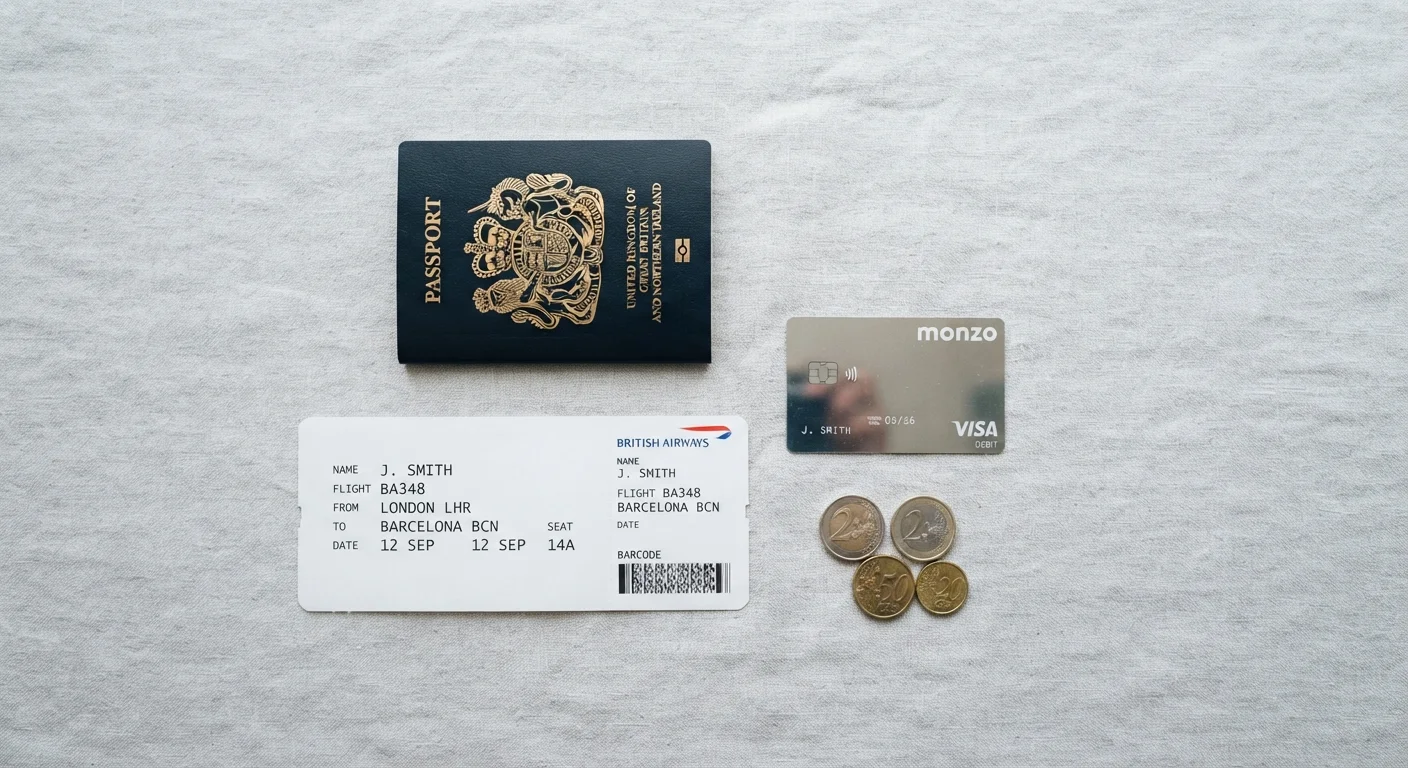
Option A
Travel Rewards Points
The high-ceiling strategy for dedicated travelers.
Best for: Frequent flyers and hotel loyalists who can consistently use points within a specific ecosystem.
Option B
Cashback Rewards
The flexible, no-fuss alternative for occasional travelers.
Best for: Casual travelers who want simple, predictable value they can apply to any travel expense.
How Each Reward Model Actually Works
At their core, both systems return a percentage of your spending back to you - but the mechanics diverge sharply from there.
Travel rewards points are earned through credit card spending and sometimes through direct bookings with airlines, hotel programs, or car rental companies. Each point has a variable redemption value depending on how you use it. A point might be worth 0.5 cents when cashed out as a statement credit, but 1.5-2 cents or more when transferred to an airline partner and redeemed for a flight. That gap is the entire argument for points: the ceiling is high if you play it right.
Cashback rewards return a flat or tiered percentage of spending - commonly 1-2% on most purchases, with higher rates on specific categories like dining or groceries. The value is transparent and immediate. There's no conversion math, no partner transfers, and no award availability calendars to monitor. One dollar earned is one dollar applied to your statement or deposited into an account.
| Criterion | Travel Rewards Points | Cashback Rewards |
|---|---|---|
| Redemption value | Variable - 0.5¢ to 2¢+ per point | Fixed - typically 1¢ per dollar |
| Complexity | High - transfers, partners, availability | Low - statement credit or deposit |
| Flexibility | Limited to program partners or portals | Applies to any expense |
| Expiration risk | Yes - inactivity or program changes | Rarely - most programs don't expire |
| Best travel type | Flights, especially premium cabins | Any - road trips, rentals, budget hotels |
| Upside potential | High with strategic redemptions | Moderate but consistent |
Neither model is inherently superior - the gap between them is created almost entirely by how a traveler actually behaves.
When Points Programs Pull Ahead
Points shine brightest in two scenarios: premium cabin travel and hotel free nights. A transatlantic business-class ticket that retails for $4,000-$6,000 can sometimes be booked with points at an effective cent-per-point value that cashback simply can't replicate. If your goal is to experience travel that would otherwise feel financially out of reach, points programs create a genuine path.
Flexibility amplifies this advantage. Travelers who can shift departure dates by even a day or two, or who book several months in advance, consistently find more high-value award availability. The road trip vs. flying trade-offs guide explores how these planning decisions ripple through your total trip cost - and award travel is one lever worth understanding before you commit.
1.5-2¢
Typical peak value per airline mile
Award travel analysts generally estimate airline miles reach their highest value when redeemed for premium-cabin international flights rather than domestic economy tickets.
1-2%
Standard cashback return on everyday spending
Most general-purpose cashback programs return between one and two cents per dollar spent, with higher rates available on select bonus categories.
~30%
Points earned but never redeemed (industry estimate)
Industry observers have estimated that a significant portion of loyalty points are accumulated but never redeemed, often due to expiration or insufficient balances.
The caveat is real: points programs require ongoing attention. Airline miles and hotel points can be devalued without notice, partner transfer rules change, and unused balances sometimes expire. The complexity is the price of admission for the higher ceiling.
When Cashback Is the Smarter Play
Cashback rewards earn their reputation by being completely frictionless. There's no minimum redemption, no blackout dates, and no risk of a program devaluing your balance overnight. If you book through a vacation rental platform, buy gas for a road trip, or purchase train tickets, cashback applies equally - whereas many travel points programs limit redemptions to specific partners or portals that may charge inflated base fares.
For travelers who mix up their booking methods or don't have a dominant airline in their home airport, cashback often delivers more reliable actual savings. Pairing a cashback card with the lodging savings strategies outlined in our budget travel coverage can produce meaningful cost reductions without any rewards-program complexity.
Cashback also fits naturally into broader financial habits. It functions similarly to automated savings tools - predictable, low-maintenance, and cumulative over time. If you're exploring how consistent small returns build up, the Everyday Money Wins hub is a useful companion resource.
A Note on Annual Fees and Interest
Some travel and cashback cards charge annual fees ranging from $95 to several hundred dollars. These fees can offset rewards if spending volume is low. More importantly, carrying a monthly balance and paying interest will almost always cost more than any rewards earned. Both systems are designed for people who pay their full balance each month.
The Real Question: Which Fits Your Travel Style?
The honest answer to "which saves more" is: it depends almost entirely on the traveler, not the product. High-frequency travelers with brand loyalty and schedule flexibility can extract two to three times more value from points than from cashback. Occasional travelers who book wherever prices are lowest will rarely have the right points balance at the right time - making cashback the more dependable tool.
A practical way to think about it: if you flew round-trip twice in the past year, stayed at the same hotel chain regularly, and plan to keep doing so, points programs are worth learning. If your last three trips involved different airlines, a mix of hotel types, and at least one road segment, cashback keeps pace with your actual behavior far more efficiently. For a deeper look at how driving versus flying shifts your overall trip math, the road trip vs. flying cost comparison breaks it down by real-world scenario.
Neither choice is permanent. Many travelers maintain both - a points card for structured travel categories and a cashback card as a catch-all. The key is to match your actual habits to the reward structure, not the one that sounds most exciting in a promotional pitch.
This article provides general financial education and is not personalized financial advice. Consult a qualified financial professional before making decisions based on your individual circumstances.
The content provided on our blog site traverses numerous categories, offering readers valuable and practical information. Readers can use the editorial team’s research and data to gain more insights into their topics of interest. However, they are requested not to treat the articles as conclusive. The website team cannot be held responsible for differences in data or inaccuracies found across other platforms. Please also note that the site might also miss out on various schemes and offers available that the readers may find more beneficial than the ones we cover.