

Why Standard Lodging Options Are Just the Starting Point
For most Americans, lodging planning starts and ends with a familiar shortlist: hotels, motels, and short-term rentals. These are solid choices - but they're far from the only ones. A growing number of travelers are finding that stepping outside that shortlist can meaningfully change how much a trip costs, and sometimes how enjoyable it is.
Lodging is typically the second-largest travel expense after transportation. As our full breakdown of vacation costs explains, even small nightly savings compound quickly over a week-long trip. The seven strategies below are legal, practical, and already used by real travelers - they just don't get as much attention as they deserve.
Verify Conditions Before You Commit
Alternative lodging arrangements often involve less standardization than hotels. Cancellation policies, what's included, and host expectations can vary significantly. For anything involving entry requirements, safety conditions, or public land rules, always verify current information with official sources before you travel. Conditions change, and what applied to a previous traveler may not apply to your trip.
Seven Lodging Strategies Worth Knowing
Home Exchanges
Home exchange programs let two households swap residences for overlapping travel periods - you stay in their home, they stay in yours, and neither party pays nightly rates. Organized networks (not specific brands, but the general category) facilitate these arrangements globally and domestically. The main requirements are owning or renting a space you're comfortable sharing and being flexible about timing. Lead time is usually several weeks to months, so this works best for planned trips rather than spontaneous getaways.
Two households swap homes - neither pays nightly rates, and both travel for less.
Work-Stay and Volunteer Exchange Programs
Programs that match travelers with hosts who need short-term help - farm work, hostel reception shifts, organic garden maintenance - in exchange for accommodation are well-established and legal in the US and internationally. A few hours of work per day typically covers a bed and sometimes meals. This approach suits flexible, longer-trip travelers more than those with tight itineraries. Arrangements vary widely, so reviewing host expectations carefully before committing is important.
A few hours of daily work can cover accommodation costs entirely on longer trips.
University Guest Housing
Many US colleges and universities rent out campus guesthouses, dorm rooms, or conference-center accommodations to the public, particularly during summer and academic breaks. Rates are often lower than comparable local hotels, and locations are usually central to walkable amenities. Availability windows and booking processes vary by institution, so checking directly with the university's housing or conference services office is the most reliable approach. This is a particularly practical option in college towns with limited budget lodging alternatives.
University guest housing is often centrally located and priced below comparable hotels.
Dispersed Camping on Public Lands
National forests, Bureau of Land Management (BLM) lands, and some state lands across the US permit dispersed camping - staying outside designated campgrounds, often at no cost, for a limited number of consecutive nights. This is distinct from reserving a campsite; it requires a bit more planning and comfort with self-sufficiency, but it dramatically reduces nightly lodging costs for those traveling with camping gear. Rules vary by location, so checking with the relevant land management agency before arrival is essential. Our guide to lesser-visited national parks highlights destinations where public lands camping is particularly accessible.
Dispersed camping on federal public lands is often free - and surprisingly accessible for prepared travelers.
House-Sitting Arrangements
House-sitting connects homeowners who need someone to watch their property - sometimes caring for pets or plants - with travelers who need a place to stay. Arrangements are typically unpaid on both sides: the sitter gets free accommodation; the homeowner gets peace of mind. Listings are available through dedicated platforms (the general category, not specific services). Trust and vetting matter significantly here; most established platforms include review systems and background checks as part of their process.
House-sitting offers free accommodation in exchange for property care - a genuinely mutual arrangement.
Negotiating Extended-Stay Rates
Hotels, motels, and some vacation rentals routinely offer lower per-night rates for longer stays, but these discounts aren't always advertised prominently. For trips lasting a week or more, calling properties directly and asking about weekly or monthly rates - rather than booking online at the standard nightly price - can surface better options. This is especially effective for independent or regional properties with more pricing flexibility than large chains. It's a simple strategy that many travelers overlook simply because they don't think to ask.
Calling to ask about extended-stay rates directly often surfaces discounts not listed online.
Staying in Converted or Non-Traditional Spaces
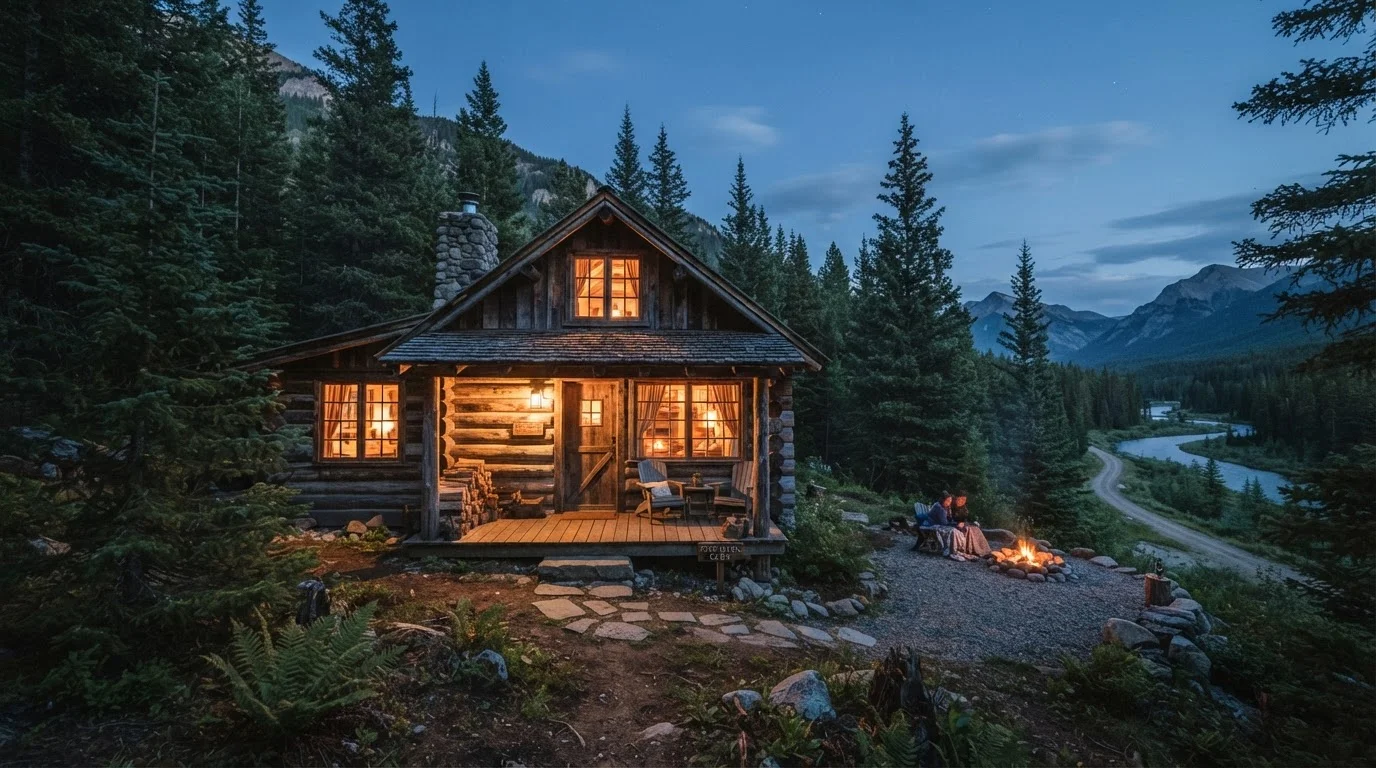
Converted schoolhouses, fire lookout towers, lighthouses, yurts, and similar non-traditional accommodations are bookable through various platforms and sometimes directly through state or federal agencies. Pricing varies widely, but many of these options are competitively priced relative to standard hotels while offering a lodging experience that becomes part of the trip itself. The budget travel myths article addresses the common assumption that affordable lodging is inherently less enjoyable - these options challenge that idea directly.
Non-traditional accommodations - lookout towers, yurts, converted spaces - can be competitively priced and memorable.
Plan Ahead for the Best Availability
Many of these alternative lodging options - especially home exchanges, house-sits, and university accommodations - require more lead time than a standard hotel booking. Building lodging research into your early trip planning, rather than treating it as a last step, opens up significantly more options. Flexible travel dates also help considerably when pursuing any of these strategies.
Picking the Right Strategy for Your Trip
None of these options is universally better - each one suits a different traveler, trip type, and comfort level. A solo adventurer with flexible dates will approach lodging very differently than a family of four planning a structured school-break itinerary. The key is matching the strategy to your actual trip, not just chasing the lowest number.
If you're still building out your full budget, the common costs reference guide can help you estimate realistically across destinations. And if you're weighing a vacation rental against a hotel more carefully, our rental vs. hotel comparison walks through total-cost factors that don't always show up in the headline price. The right lodging approach is the one that fits your trip - not the one that sounds most adventurous.
The content provided on our blog site traverses numerous categories, offering readers valuable and practical information. Readers can use the editorial team’s research and data to gain more insights into their topics of interest. However, they are requested not to treat the articles as conclusive. The website team cannot be held responsible for differences in data or inaccuracies found across other platforms. Please also note that the site might also miss out on various schemes and offers available that the readers may find more beneficial than the ones we cover.