

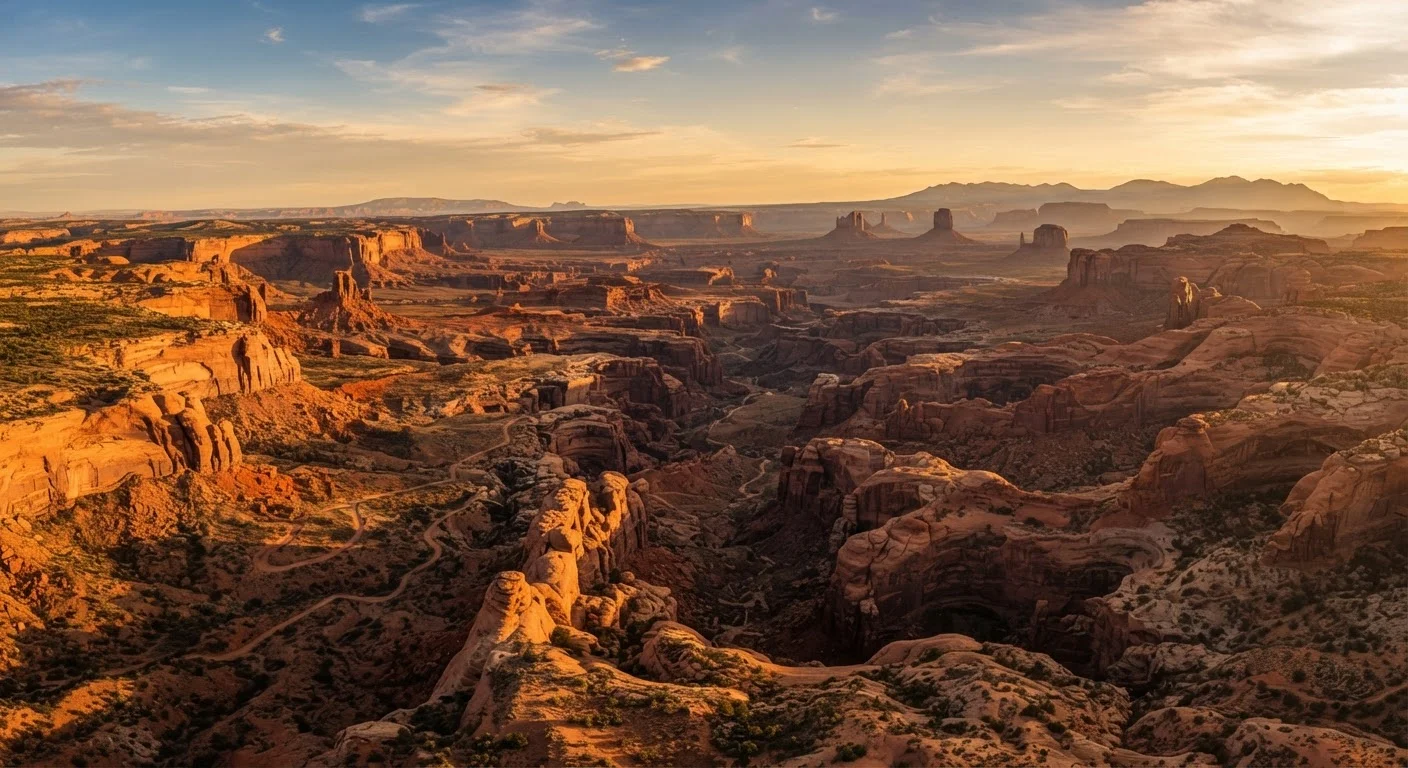
What Counts as the American Southwest?
The American Southwest is generally understood to include five core states: Arizona, New Mexico, Nevada, Utah, and Colorado. Texas's western reaches are sometimes folded in, and California's desert interior shares cultural and geographic DNA with the region. What unites them is a combination of arid climate, Indigenous heritage, Spanish colonial history, and some of the most visually dramatic landscapes on Earth.
This reference breaks each state into its defining travel character - geography, signature experiences, and the practical realities visitors should understand before planning a trip. For cost benchmarks, see the travel cost reference guide to estimate what daily spending might look like across these destinations.
State-by-State Travel Character
Arizona
Arizona anchors the Southwest experience for most visitors. The Grand Canyon occupies the northern plateau, but the state has remarkable geographic range: saguaro-studded Sonoran Desert near Tucson, red rock formations in Sedona, pine forests around Flagstaff, and the Navajo Nation - one of the largest Indigenous nations in the US - spanning the northeast corner. Phoenix functions as a major transit hub with a growing food and arts scene.
New Mexico
New Mexico blends three distinct cultures - Indigenous Pueblo, Hispanic, and Anglo - into a destination unlike any other in the US. Santa Fe, sitting at roughly 7,000 feet elevation, draws visitors to its adobe architecture, gallery district, and renowned culinary identity built around green and red chiles. Carlsbad Caverns, White Sands National Park, and the Bisti/De-Na-Zin Wilderness offer wildly different but equally striking landscapes.
Utah
Utah holds five national parks - Zion, Bryce Canyon, Arches, Canyonlands, and Capitol Reef - concentrated in its southern tier. This "Mighty Five" cluster makes Utah one of the most park-dense states in the country. The Colorado Plateau's geology here produces hoodoos, slot canyons, and natural arches that feel genuinely otherworldly. Accessibility varies; some areas require high-clearance vehicles or backcountry permits.
Nevada
Las Vegas dominates Nevada's travel identity, but the state's vast interior offers solitude that directly contrasts the Strip's energy. Great Basin National Park - home to ancient bristlecone pines and a rare glacier - sees far fewer visitors than Utah's parks despite comparable beauty. Valley of Fire State Park, just an hour from Las Vegas, delivers spectacular red Aztec sandstone formations. For those drawn to the unusual, the underestimated US cities guide notes that mid-size Nevada cities can surprise curious travelers.
Colorado
Colorado straddles the boundary between the Mountain West and the Southwest. Its southern and western regions - Mesa Verde National Park, the San Juan Mountains, and the Canyons of the Ancients - feel firmly Southwestern. Mesa Verde preserves Ancestral Puebloan cliff dwellings that rank among North America's most significant archaeological sites. The state's elevation means weather changes rapidly; layering is essential year-round.
Planning Realities for Southwest Travel
A few practical realities apply across the entire region. Heat is the dominant safety variable in summer months, particularly in Arizona's lower desert, Nevada's Mojave corridor, and southern Utah. Temperatures can exceed 110°F (43°C) in valley floors, and canyon hiking carries genuine risk during midday hours. Always verify trail conditions and water availability with land management agencies before setting out.
The Southwest also contains extensive Tribal lands, each governed by their own nations with distinct entry rules, permit requirements, and visitor etiquette. Antelope Canyon, Monument Valley, and many other high-profile sites sit on Tribal land - visitors should research and respect specific protocols in advance.
If you're exploring lesser-visited corners of the region, the guide to national parks beyond the most famous sites surfaces options that reward early planning. Solo travelers should consult the realities of solo US travel for honest expectations about remote desert conditions. For broader trip planning frameworks, our hub covers itinerary building from first principles.
Travel conditions, entry requirements for Tribal lands, permit availability, and park regulations change regularly. Always verify current information with official park, Tribal, and state tourism sources before finalizing travel plans.
The content provided on our blog site traverses numerous categories, offering readers valuable and practical information. Readers can use the editorial team’s research and data to gain more insights into their topics of interest. However, they are requested not to treat the articles as conclusive. The website team cannot be held responsible for differences in data or inaccuracies found across other platforms. Please also note that the site might also miss out on various schemes and offers available that the readers may find more beneficial than the ones we cover.