

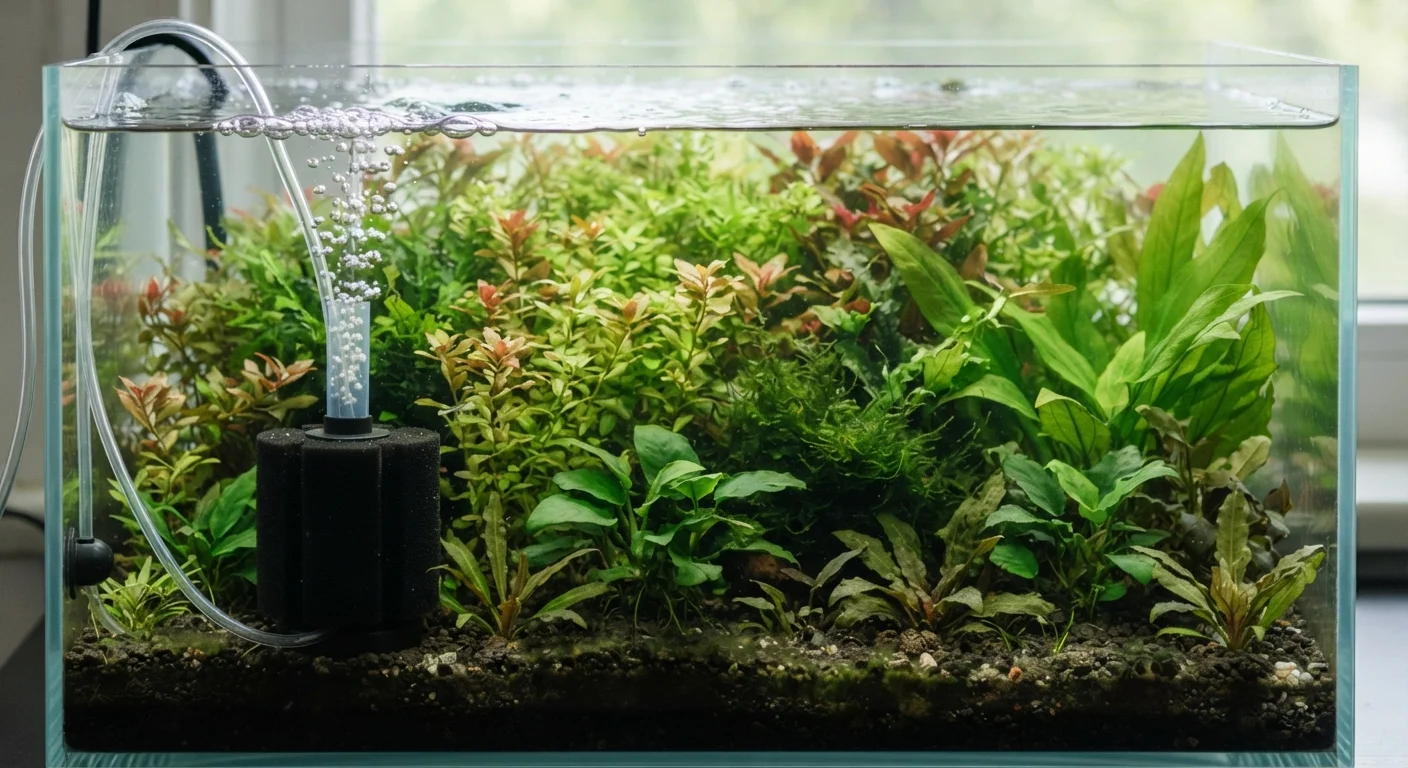
Why New Tanks Are Dangerous by Default
When you fill a brand-new aquarium, the water looks clean - but it's biologically empty. There are no colonies of beneficial bacteria to process the waste fish produce continuously. The moment fish enter that water, they begin releasing ammonia through their gills and waste. With nothing to break it down, ammonia accumulates rapidly.
Even small concentrations of ammonia - as low as 0.5 ppm (parts per million) - can cause gill damage, immune suppression, and death in fish. Many new fish owners lose their pets within days and assume they bought sick animals, when the real culprit is an uncycled tank. This is commonly called new tank syndrome, and it is almost entirely preventable.
See our complete guide to setting up a freshwater fish tank for a broader walkthrough of what to do before fish ever enter the water.
Strip Tests vs. Liquid Test Kits
Test strips are convenient but frequently inaccurate, especially at the low concentrations that matter most during cycling. Liquid reagent test kits produce color changes that are more precise and reliable. For cycling, where the difference between 0 ppm and 0.25 ppm ammonia matters enormously, liquid kits are strongly recommended by experienced aquarists and aquatic veterinarians alike.
The Three Stages of the Nitrogen Cycle
Understanding the cycle means tracking three compounds through a two-step bacterial conversion process.
- Ammonia (NH₃): Produced by fish waste, uneaten food, and decaying plant matter. Highly toxic. This is the starting fuel for the cycle.
- Nitrite (NO₂⁻): A colony of bacteria (primarily Nitrosomonas species) consumes ammonia and converts it to nitrite. Nitrite is also toxic to fish, interfering with their ability to carry oxygen in the bloodstream.
- Nitrate (NO₃⁻): A second bacterial group (primarily Nitrospira species) converts nitrite into nitrate. Nitrate is far less toxic and only becomes a problem at very high concentrations. It's controlled through regular partial water changes.
A tank is considered fully cycled when both ammonia and nitrite consistently read zero ppm on a test kit, and nitrate is present - confirming the full conversion chain is running.
0.5 ppm
Ammonia level toxic to most freshwater fish
Even sub-1 ppm ammonia concentrations can cause measurable gill damage and stress in common aquarium species, according to aquatic toxicology literature.
4-8 weeks
Typical fishless cycling time
Most fishkeeping references and aquaculture guidelines cite this range for establishing a functional nitrogen cycle from scratch at room temperature.
~80°F
Optimal water temp for faster cycling
Nitrifying bacteria reproduce and colonize faster in warmer water, making temperature management a practical tool for shortening the cycling period.
Where the Bacteria Actually Live
A critical misconception among new fishkeepers is that the water itself is being cycled. In reality, the beneficial bacteria live almost entirely on surfaces - filter media (sponges, ceramic rings, bio-balls), substrate (gravel or sand), and decorations. The filter is the most important habitat because it provides both high surface area and continuous water flow, which delivers the oxygen and ammonia bacteria need to thrive.
This is why aggressively cleaning your filter, replacing all the media at once, or using boiling water to rinse it can effectively destroy your cycle. When cleaning an established filter, always rinse media gently in a bucket of tank water - never tap water, which contains chlorine that kills bacteria.
Never Replace All Filter Media at Once
If your filter uses multiple media types (sponge, ceramic rings, carbon), replace only one component at a time and space changes several weeks apart. This preserves the majority of your bacterial colony while still refreshing filtration capacity. Rushing a full media swap can trigger an ammonia spike in an otherwise healthy, established tank.
How to Cycle a Tank Before Adding Fish
The safest approach is fishless cycling, where you dose the tank with an ammonia source (pure ammonia solution or fish food left to decompose) and wait for bacterial colonies to establish on their own. This typically takes 4-8 weeks.
You can shorten the process by seeding the tank - adding a handful of established filter media or substrate from a cycled aquarium. This introduces mature bacterial colonies that can multiply quickly in your new setup. Commercially available nitrifying bacteria products can also help, though their effectiveness varies and they shouldn't be treated as an instant solution.
Throughout cycling, test ammonia, nitrite, and nitrate every few days with a reliable liquid test kit (not strip tests, which are significantly less accurate). You'll see ammonia spike first, then nitrite rise as the first bacteria establish, then nitrite fall as the second colony grows. When both read zero and nitrate is climbing, your cycle is complete.
Factors like tank temperature, filter type, and water chemistry all influence cycle dynamics. If you're comparing tank setups for different species, our article on cold-water vs. tropical fish tank conditions explains how temperature in particular affects filtration needs and biological activity.
Maintaining the Cycle Long-Term
Once your tank is cycled, the nitrogen cycle doesn't run itself indefinitely without attention. Overstocking the tank, overfeeding fish, or letting organic waste accumulate can overwhelm the bacterial colony and cause ammonia to spike again. Regular 25-30% water changes remove nitrate buildup, and periodic but gentle filter maintenance keeps media functional without destroying the bacteria living on it.
If you ever notice fish behaving erratically, gasping at the surface, or showing red-tinged gill areas, test your water immediately - these are classic signs of ammonia or nitrite toxicity. Catching a spike early and performing an emergency water change can save fish before permanent damage occurs.
This article is for general educational purposes and does not constitute veterinary advice. If your fish are showing signs of illness, consult a qualified aquatic veterinarian or experienced fishkeeping specialist.
Frequently Asked Questions
Most tanks take 4 to 8 weeks to fully cycle using the traditional fishless or fish-in method. The exact timeline depends on water temperature, ammonia source, and filter media surface area. Warmer water (around 80°F) speeds up bacterial growth compared to cooler temperatures.
Adding fish to an uncycled tank exposes them to ammonia poisoning, which causes gill damage, lethargy, and death. If you must add fish during cycling, keep stocking levels very low and perform daily water changes to keep ammonia below 0.5 ppm. Monitor closely with a test kit.
New tank syndrome refers to the ammonia and nitrite spike that kills fish in recently set up aquariums that haven't completed the nitrogen cycle. It's one of the most common causes of fish death for first-time aquarium owners and is entirely preventable with proper cycling.
Your tank is cycled when ammonia and nitrite both read 0 ppm and nitrate is detectable but low (usually under 40 ppm) on a liquid test kit. Test daily during the cycle and confirm zero readings on at least two consecutive days before adding fish.
Water conditioners neutralize chlorine and chloramine in tap water but do not establish the bacterial colonies needed for the nitrogen cycle. Some products claim to introduce beneficial bacteria, and while these can help seed a tank, they are not a substitute for the full cycling process.
Yes. Using established filter media or substrate from a healthy tank, adding commercially available nitrifying bacteria cultures, maintaining warmer water temperatures, and ensuring adequate aeration can all shorten the cycling period. Seeding from an existing tank is generally the fastest method.
The content provided on our blog site traverses numerous categories, offering readers valuable and practical information. Readers can use the editorial team’s research and data to gain more insights into their topics of interest. However, they are requested not to treat the articles as conclusive. The website team cannot be held responsible for differences in data or inaccuracies found across other platforms. Please also note that the site might also miss out on various schemes and offers available that the readers may find more beneficial than the ones we cover.