

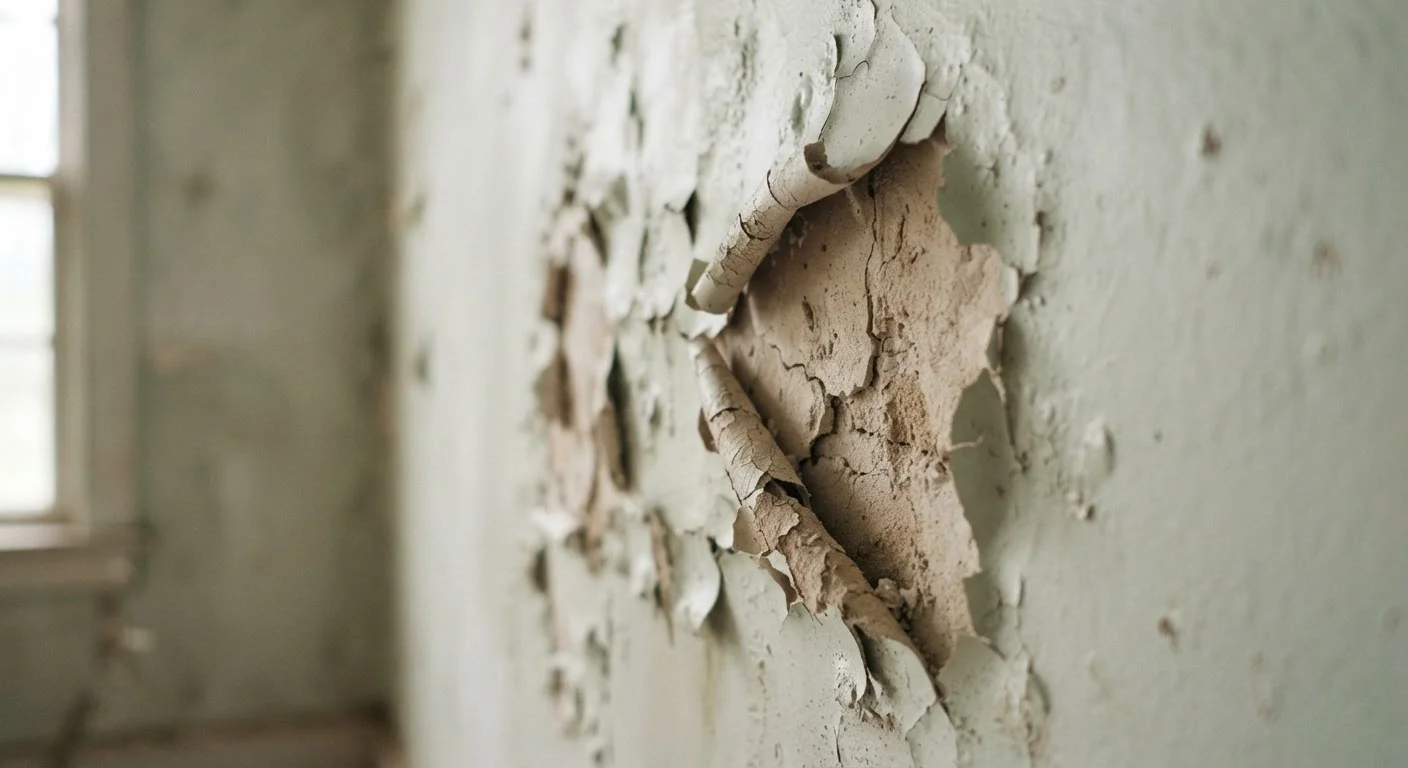
The Real Reason Paint Peels So Fast
You spent a weekend painting, the color looks great - and then, within weeks, the edges start to curl and lift. It's frustrating, but premature paint failure is rarely random. In almost every case, something went wrong before the first coat was ever applied.
Paint adheres by forming a mechanical and chemical bond with the surface beneath it. When that surface is dirty, wet, slick, or chemically mismatched, the bond fails. Understanding why saves you from repeating the same cycle of paint, peel, and repaint. Below are the most common mistakes homeowners make - and what to do instead.
Painting over a dirty or greasy surface.
Why it happens: Walls look clean to the eye, so many homeowners skip washing them before painting. Kitchen walls in particular accumulate an invisible film of grease that completely blocks adhesion.
Skipping primer or using the wrong type.
Why it happens: Paint-and-primer-in-one products have made many homeowners believe a separate primer coat is optional. It often isn't, especially over bare drywall, new patches, or previously glossy surfaces.
Painting in high humidity or onto a surface that isn't fully dry.
Why it happens: Homeowners often work on a schedule rather than waiting for ideal conditions. Moisture trapped beneath the paint film has nowhere to go and eventually forces the paint away from the wall.
Applying paint over a glossy surface without abrading it first.
Why it happens: A previously painted wall looks ready to go, and sanding feels like unnecessary extra work. But a smooth, shiny surface gives new paint almost nothing to bond to.
Using incompatible paint over an existing coat - such as latex over oil-based paint without proper preparation.
Why it happens: Homeowners often don't know what was used previously, and don't test before painting. Latex paint applied directly over oil-based paint is one of the most common sources of peeling in older homes.
How to Get a Paint Job That Actually Lasts
Once you've stripped the peeling paint back to a stable surface, the temptation is to move fast. Resist it. Every hour you invest in proper prep is worth several future weekends of rework.
Start by cleaning the wall with a degreaser or a solution of mild dish soap and warm water, then rinse and let it dry completely - at least 24 hours in low-humidity conditions. Sand glossy surfaces lightly with 120-grit sandpaper to give the primer something to grip. Fill any cracks or nail holes with lightweight spackle, sand smooth once dry, and spot-prime those areas before rolling the full coat.
Speaking of caulk: gaps around trim, windows, and baseboards are a common entry point for the moisture that causes peeling. If your caulk is cracked or pulling away, address it before painting. Our guide on why caulk fails and when to reapply it walks through exactly what to look for.
Older Homes May Have Lead-Based Paint
Homes built before 1978 may contain lead-based paint. Sanding or stripping these surfaces without proper precautions creates hazardous dust. Before disturbing paint in an older home, consider using an EPA-recognized lead test kit or consulting a certified lead abatement professional. Do not sand or scrape old paint without first understanding what you're dealing with.
One more note: if you're painting a bathroom, kitchen, or any exterior-adjacent wall, always use a primer specifically rated for high-moisture environments. Skipping this step is one of the most persistent myths in home maintenance - and one of the most expensive ones. For more on costly misconceptions like this, see our piece on home maintenance myths that cost homeowners money.
Patience and the right primer aren't glamorous steps, but they are the difference between a paint job that lasts two years and one that lasts ten.
The content provided on our blog site traverses numerous categories, offering readers valuable and practical information. Readers can use the editorial team’s research and data to gain more insights into their topics of interest. However, they are requested not to treat the articles as conclusive. The website team cannot be held responsible for differences in data or inaccuracies found across other platforms. Please also note that the site might also miss out on various schemes and offers available that the readers may find more beneficial than the ones we cover.